









Loneliness can affect anyone, at any age and at any stage of life. You can feel lonely in a busy household, after a move to a new town, when work changes, after a bereavement, or simply as the days get shorter and the evenings grow darker. It is not a personal failing, and it is not something you have to put up with in silence. In Grantham, there are practical steps you can take and friendly local groups and services that can help you feel connected again.
This guide explains what loneliness looks like, small steps that can make a real difference, and where to find support in and around Grantham, including free help you can reach today.
What loneliness feels like
Loneliness is not the same as being alone. Some people enjoy plenty of time on their own and feel perfectly content. Loneliness is the gap between the social contact you want and the contact you actually have, and that gap can leave you feeling low, tired, restless or disconnected, even when other people are nearby.
Common signs include dreading empty evenings, scrolling through your phone without really connecting with anyone, losing interest in things you used to enjoy, or finding it harder to sleep. If these feelings last for weeks rather than days, it is worth taking them seriously and talking to someone, whether that is a friend, a family member, your GP or a support service.
Loneliness can also affect physical health over time, which is one more reason not to ignore it. The good news is that small, steady changes often help more than one big dramatic one.
Small steps that can help you feel connected
Start with one small, manageable change rather than trying to fix everything at once. A short daily walk, for example, gets you out of the house and around other people, and Grantham has pleasant walking routes that suit most abilities. Saying hello to a neighbour, joining a regular class or simply having a cup of tea with someone can be a first step.
Routine helps too. Pick one regular commitment each week, such as a class, a club or a volunteering slot, and protect it in your diary. Regular contact builds familiarity, and familiarity makes conversation easier over time. If you find starting conversations difficult, structured activities such as a walking group, a craft session or a book club can be easier than open-ended social events, because the activity gives you something to talk about.
Technology can help when used well. A regular video call with family, a local community group online or a messaging group for a hobby can keep you in touch between face-to-face meetings. If you are not confident with technology, ask at your local library about free help sessions, and check the provider’s own website for current times and details.
Finally, be kind to yourself about setbacks. Some weeks will feel easier than others. What matters is keeping one or two small habits going, not being sociable every single day.
Support and groups in Grantham
Grantham has a range of community groups, clubs and charities where a warm welcome is part of the point. These include walking and rambling groups, lunch clubs, hobby and craft groups, faith communities, sports clubs and volunteering opportunities. Your GP surgery, the library and local noticeboards are good places to find out what is running near you, and it is always worth checking the organiser’s own website or phoning ahead for current meeting times and venues, as these can change.
If you are older and finding it hard to get out, ask your GP or a local charity about befriending services, where a trained volunteer visits or phones regularly for a chat. If you care for someone else, carer support groups can be a lifeline too, because caring can be isolating in its own way.
If loneliness is making you feel very low, anxious or hopeless, please speak to your GP. You can also contact Samaritans free of charge, day or night, on 116 123, if you need someone to talk to right now. If you or someone else is in immediate danger, call 999.
You do not have to solve loneliness on your own. One conversation, one group or one regular outing can be the start of feeling part of things again.
Related Guides
- Coping with Depression in Grantham: How to Get Help and Feel Better
- Managing Anxiety in Grantham: Practical Steps and Local Support
- Browse all Mental Health guides
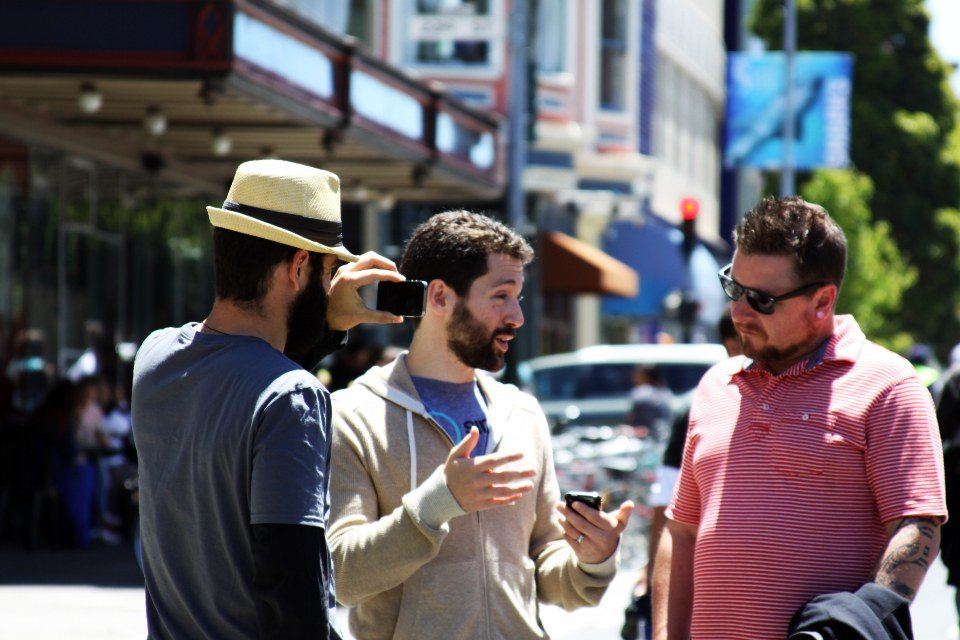
Image: “People Talking” by Candace McDaniel, CC0 via StockSnap.