








Feeling anxious from time to time is part of life. But when worry, restlessness or racing thoughts start to interfere with your sleep, work or relationships, it may be time to take active steps to manage it. This guide explains what anxiety looks like, practical self-help techniques you can start using today, and where to find support in and around Grantham.
Understanding Anxiety
Anxiety is your body’s natural response to perceived danger or stress. Short-term anxiety can even be useful — it sharpens your focus before a job interview or keeps you alert on a busy road. It becomes a problem when it shows up without a clear threat, lingers for weeks or months, or is so intense that it limits your daily life.
Common symptoms include a racing heart, sweaty palms, tightness in the chest, difficulty concentrating, irritability, trouble sleeping, and a constant stream of “what if” thoughts. Everyone experiences these differently, and there is no single threshold at which you should seek help. If anxiety is affecting your quality of life, that is reason enough to talk to someone.
Self-Help Techniques That Work
There is strong evidence behind several simple techniques for calming anxiety in the moment and reducing it over time:
- Slow breathing: breathe in gently through your nose for about four seconds, hold briefly, then exhale slowly through your mouth for about six seconds. Repeating this for a few minutes signals your nervous system to stand down.
- Grounding with the 5-4-3-2-1 method: name five things you can see, four you can touch, three you can hear, two you can smell and one you can taste. This pulls attention back to the present moment.
- Regular movement: walking, swimming or gentle exercise reduces tension hormones and improves sleep. Even a short daily walk can make a noticeable difference.
- Routine and rest: keeping regular sleep hours, cutting back on caffeine and alcohol, and taking short breaks through the day all help keep baseline anxiety lower.
- Writing it down: keeping a simple worry diary — what triggered the anxiety, what you feared, and what actually happened — helps you spot patterns and challenge unhelpful thoughts.
Self-help works best as a daily practice rather than a one-off fix. Many people find it helpful to pick one or two techniques and use them consistently for a few weeks.
Finding Support in Grantham
If anxiety persists, professional support is the sensible next step. Your GP is usually the best first contact: they can assess how anxiety is affecting you, discuss treatment options, and refer you to NHS talking therapies if appropriate. Talking therapies — including cognitive behavioural therapy (CBT) and counselling — are among the most effective treatments for anxiety, and are available on the NHS through GP referral. Some services also accept self-referrals; ask your GP surgery or check the NHS website for current routes.
Private counsellors and therapists also practise locally in Grantham, offering face-to-face or online sessions. Session formats and fees vary widely, so check the therapist’s own website or professional profile for current details, and look for registration with a recognised body such as the BACP or UKCP.
Community support can help too. Mindfulness and meditation classes, walking groups and relaxed fitness classes all give you structure, gentle social contact and stress-relief in one. When choosing any service, check its own website or give them a call for up-to-date times, availability and costs.
If you ever feel overwhelmed or in crisis, contact your GP, call NHS 111, or contact the Samaritans free on 116 123 at any time of day or night.
Related Guides
- Counselling in Grantham: How to Find the Right Therapist
- Sleep and Mental Health: A Grantham Guide to Better Rest
- More Mental Health guides for Grantham
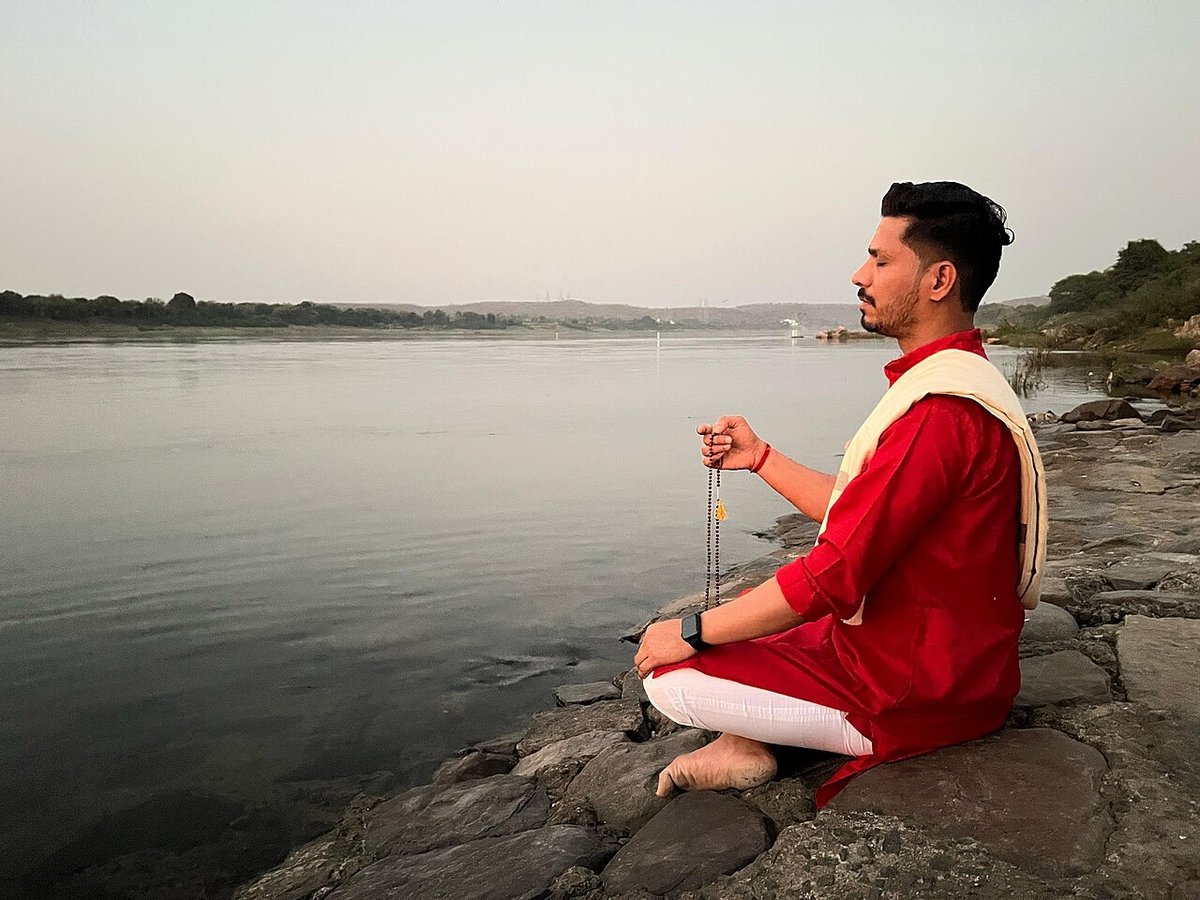
Featured image: “Meditation at the bank of river” by Sachinyadav99990, licensed under CC BY-SA 4.0 via Wikimedia Commons.