









The menopause is a natural stage of life that every woman goes through, usually between the ages of 45 and 55, although it can arrive earlier or later. It marks the end of monthly periods, and it happens when the ovaries gradually stop producing the hormones oestrogen and progesterone. For some women the change passes with little trouble. For others it brings symptoms that affect sleep, mood, work and everyday life. This guide explains what to expect, what help is available, and where to find support in Grantham.
What Is the Menopause?
The menopause itself is the point when a woman has not had a period for 12 months in a row. The years leading up to it are called the perimenopause, and this is when symptoms often begin. During the perimenopause, periods may become irregular, heavier or lighter than usual, and hormone levels can swing up and down. This stage can last for several years.
Some women go through the menopause early, before the age of 45, or as a result of medical treatment such as surgery or cancer therapy. If your periods stop before 45, or you are unsure whether your symptoms are linked to the menopause, it is worth speaking to your GP.
Common Symptoms
Hot flushes and night sweats are the best-known symptoms. A hot flush is a sudden feeling of heat that spreads across the face, neck and chest, often with sweating and a faster heartbeat. Night sweats can disturb sleep, leaving you tired during the day. Keeping a bedroom cool, wearing layers you can remove easily, and avoiding known triggers such as alcohol, caffeine and spicy food can help.
Mood changes are also common. Many women notice anxiety, low mood, irritability or difficulty concentrating, sometimes described as brain fog. Poor sleep can make all of these worse. Vaginal dryness and discomfort, and needing to pass urine more often, are other symptoms that are common but not often talked about. Treatments are available for these, so there is no need to put up with them in silence.
Treatment and Support in Grantham
Your GP practice is the best first step if menopause symptoms are affecting your daily life. Your GP can talk through the options, rule out other causes, and help you decide what is right for you.
Hormone replacement therapy, often called HRT, is the most effective treatment for many symptoms, including hot flushes, night sweats and low mood. It replaces the hormones that fall during the menopause. There are different types, including tablets, skin patches, gels and sprays, and your GP can explain the benefits and risks for your own situation. Some women cannot take HRT, or prefer not to, and there are non-hormonal medicines and other treatments that can help instead. Ask your GP what is available and check the provider’s own website for current details before you go.
Your local pharmacy can also help. Pharmacists can advise on vaginal moisturisers and lubricants, and on over-the-counter products for sleep or joint aches. They can also talk to you about any medicines you already take and whether they might interact with a new treatment.
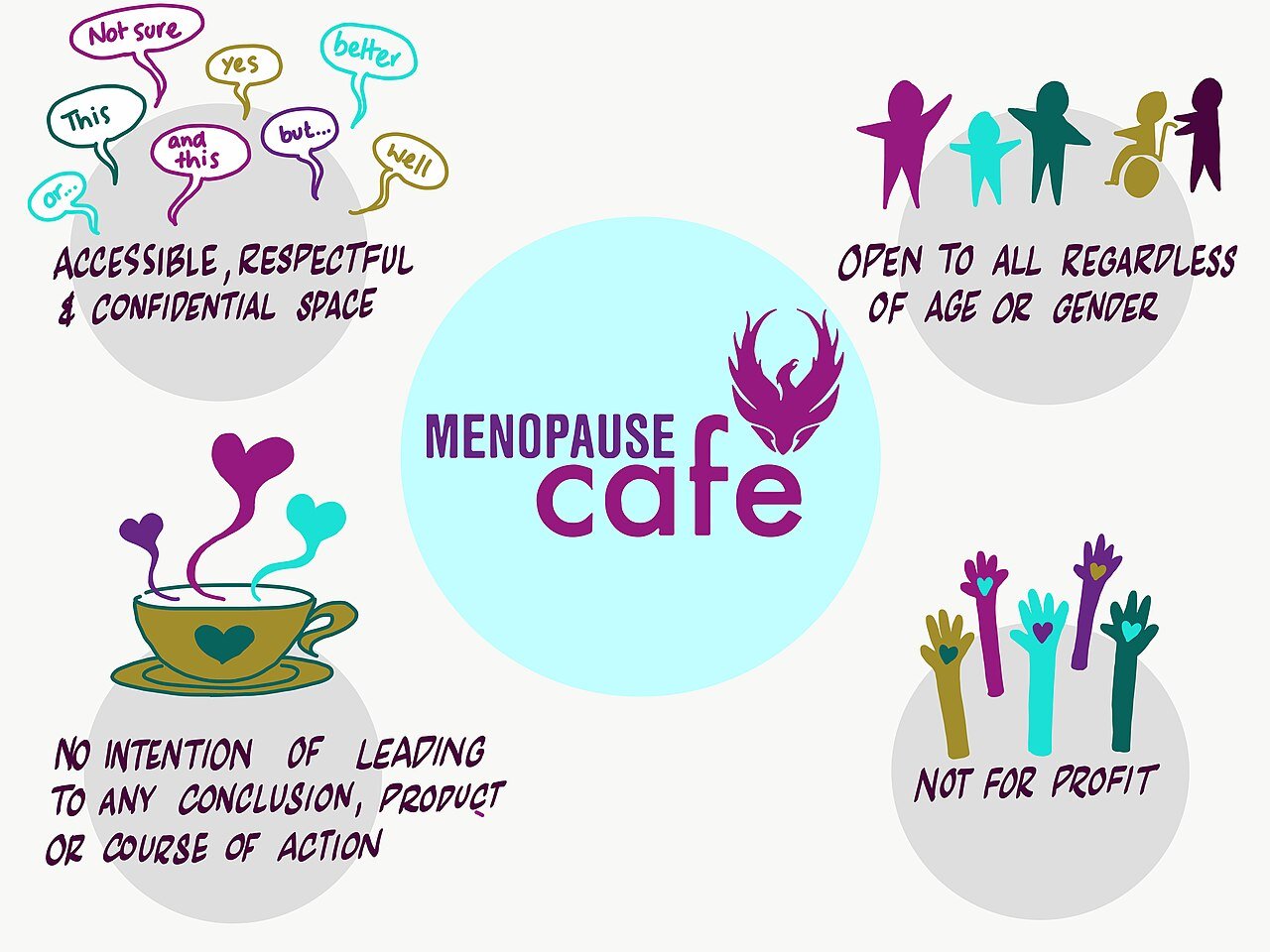
Talking to other women going through the same thing can make a real difference. Informal support groups, sometimes called menopause cafés, run in many towns, and online communities can be a good place to share experiences and tips. If low mood or anxiety is part of your experience, counselling can help too.
Looking After Your Health Through the Menopause
The menopause is also a good time to look after your long-term health. Falling oestrogen levels affect bone strength, so the risk of osteoporosis rises after the menopause. Weight-bearing exercise such as walking, dancing or gentle strength work helps keep bones strong, and a diet with enough calcium and vitamin D supports bone health too.
Heart health matters as well, because the risk of heart disease increases after the menopause. Regular exercise, a balanced diet, keeping a healthy weight, not smoking and limiting alcohol all help. Grantham has walking groups, swimming sessions, yoga and Pilates classes for all abilities, so choose something you enjoy. A blood pressure check and a cholesterol check, which your GP practice can arrange, are sensible steps too.
Sleep deserves attention of its own. A regular bedtime, a cool dark bedroom, and avoiding screens and caffeine in the evening can all improve sleep. Our guide to sleep and mental health has more practical ideas for getting a better night’s rest.
When to See Your GP
Book an appointment with your GP if your symptoms are bothering you, if your periods become very heavy or irregular, or if you notice bleeding after your periods have stopped for a year. Bleeding after the menopause should always be checked, even if it seems minor. Also seek advice if you feel very low or anxious, or if symptoms are affecting your work or relationships.
The menopause is a normal part of life, but that does not mean you have to suffer through it. With the right information, the right treatment and the right support, most women find a way through it that works for them.
Featured image: “Menopause Cafe” by Clarejmills, Wikimedia Commons (CC BY-SA 4.0).