








A blood test is one of the most common medical tests there is, and most people in Grantham will need one at some point. Your GP may ask for one to check your general health, to help work out what is causing a symptom, or to keep an eye on a long-term condition or a medicine you take. Knowing what to expect makes the whole thing much less stressful, so this guide explains why blood tests are done, where to have one, what happens at the appointment and how you get your results.
Why Your GP Might Ask for a Blood Test
Blood tests give your doctor useful information that cannot be seen from the outside. A full blood count checks the levels of red cells, white cells and platelets in your blood, and can help explain tiredness, frequent infections or bruising. Other common tests check cholesterol, blood sugar, thyroid function, liver and kidney function, and vitamin levels. Ask your GP if you are unsure why a test has been requested.
Many blood tests are routine checks rather than a sign that something is wrong. They are often used to monitor a condition such as diabetes or thyroid problems, to check that a medicine is working safely, or as part of an NHS health check. They can also help investigate a symptom such as ongoing tiredness. Whatever the reason, the results help your GP decide whether anything needs to be done next or whether everything is fine as it is.
Where to Have a Blood Test in Grantham
Most blood tests in Grantham are arranged through your GP practice. Your GP will give you a blood test form and tell you where to go. Some practices take blood samples themselves, while others ask you to attend a phlebotomy clinic, where trained staff take blood samples all day. Hospital blood testing clinics also serve Grantham patients, usually by appointment.
You normally need an appointment for a blood test, and your GP practice will tell you how to book it. If you need a blood test urgently, tell your GP practice when you book, as urgent requests are handled differently. Private blood testing services also operate in and around Grantham, where you can book directly and pay for the test yourself. As with any local service, check the provider’s own website for current details about booking, opening times and what tests are available before you go. Keep your blood test form safe and take it with you to the appointment, as the clinic needs it to know which tests to run.
What Happens at the Appointment
At the appointment, the person taking your blood will check your details and ask you to roll up your sleeve. They will clean a small area of skin, usually on the inside of your elbow, and insert a fine needle to draw blood into one or more small tubes. Most people feel only a brief scratch or sting, and you can normally get on with your day straight afterwards.
Some blood tests need you to fast beforehand, which means not eating or drinking anything except water for a set number of hours. Your GP practice will tell you if fasting is needed and for how long, so check your instructions before the appointment. If you are unsure, phone the practice rather than guessing, as eating before a fasting test can mean it has to be done again.
If you feel nervous about needles or blood tests, tell the person taking your blood when you arrive. They take blood all day and are used to helping people who feel anxious or faint, so let them know if you have fainted during a blood test before, and they can take the sample while you are lying down.
Getting Your Results and What Happens Next
Your blood test results are usually sent back to the GP who requested them, and the practice will contact you if anything needs attention. Many routine results come back within a few days, while some specialist tests take longer. Your practice will tell you when to expect them and how they will get in touch.
Many GP practices in Grantham now let you view your test results through the NHS App or an online patient service. If you are not sure how to do this, ask at the practice reception. If you have not heard anything after the time your practice suggested, it is worth phoning them to check, rather than assuming everything is fine or worrying in silence.
If a result is outside the normal range, it does not always mean something is seriously wrong. Blood results can be affected by many things, including a recent illness or a medicine. Your GP may ask you to repeat the test, book a follow-up appointment, or arrange further checks. If your results are normal, the practice may not contact you at all, so ask them what their usual arrangement is when your blood is taken.
Blood Tests and Staying Well in Grantham
Blood tests are a simple, quick way to keep track of your health, and most people find the appointment much easier than they expected. Arriving prepared and knowing how you will get your results takes the worry out of it. If your GP suggests a blood test, it is usually a routine step towards looking after your health, not a cause for alarm.
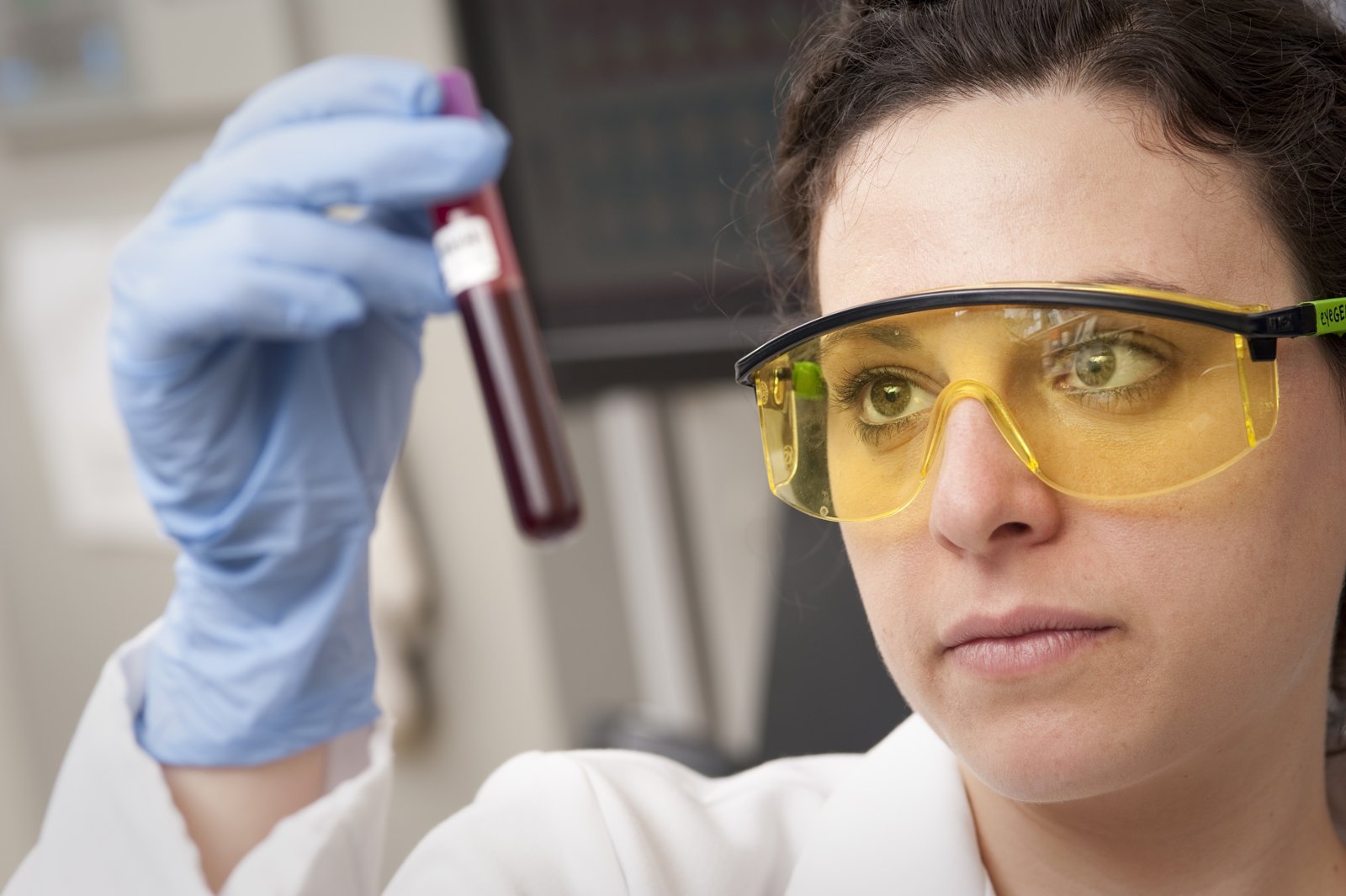
Featured image: “Checking Blood Sample” by the National Eye Institute, Wikimedia Commons (CC BY 2.0).