







Diabetes is one of the most common long-term health conditions in the UK, and many people in Grantham live with it every day. It affects how the body handles glucose, the sugar in the blood that provides energy. When blood sugar stays too high for too long, it can damage the eyes, kidneys, nerves and heart over time. The good news is that with the right support, regular checks and a few everyday habits, most people with diabetes live full and active lives. This guide explains the basics, what daily management involves, and where to find help in Grantham.
What Is Diabetes?
There are two main types of diabetes. Type 1 diabetes develops when the body stops making insulin, the hormone that moves glucose from the blood into the cells. It usually appears in childhood or young adulthood, and it is managed with insulin for life. Type 2 diabetes is more common and develops when the body does not make enough insulin or does not use it properly. It is often linked with age, family history, weight and lifestyle, and it can develop slowly over many years.
There is also a stage called prediabetes, where blood sugar is higher than normal but not yet in the diabetes range. At this stage, changes to diet and activity can often bring blood sugar back down and delay or prevent type 2 diabetes. A blood test is the only reliable way to know where you stand, so if you have symptoms or risk factors, ask your GP about a test.
Common symptoms include feeling thirsty more often than usual, needing to pass urine frequently, feeling tired, and blurred vision. These symptoms can creep up gradually, so they are easy to miss. If you notice them, book an appointment with your GP.
Everyday Management
Day-to-day diabetes care is mostly about keeping blood sugar as steady as possible. Food plays a big part. Meals built around vegetables, wholegrains and lean protein, with less sugary food and drink, help avoid sharp rises in blood sugar. You do not need a special diet, and you do not need to give up every food you enjoy. The aim is balance most of the time.
Regular activity helps too. Walking, swimming, cycling or gentle exercise helps the body use glucose better and supports heart health. Many people find that a short walk after a meal makes a real difference to their blood sugar. Aim for activity you enjoy, so it becomes part of your routine rather than a chore.
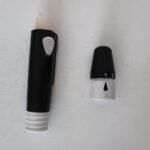
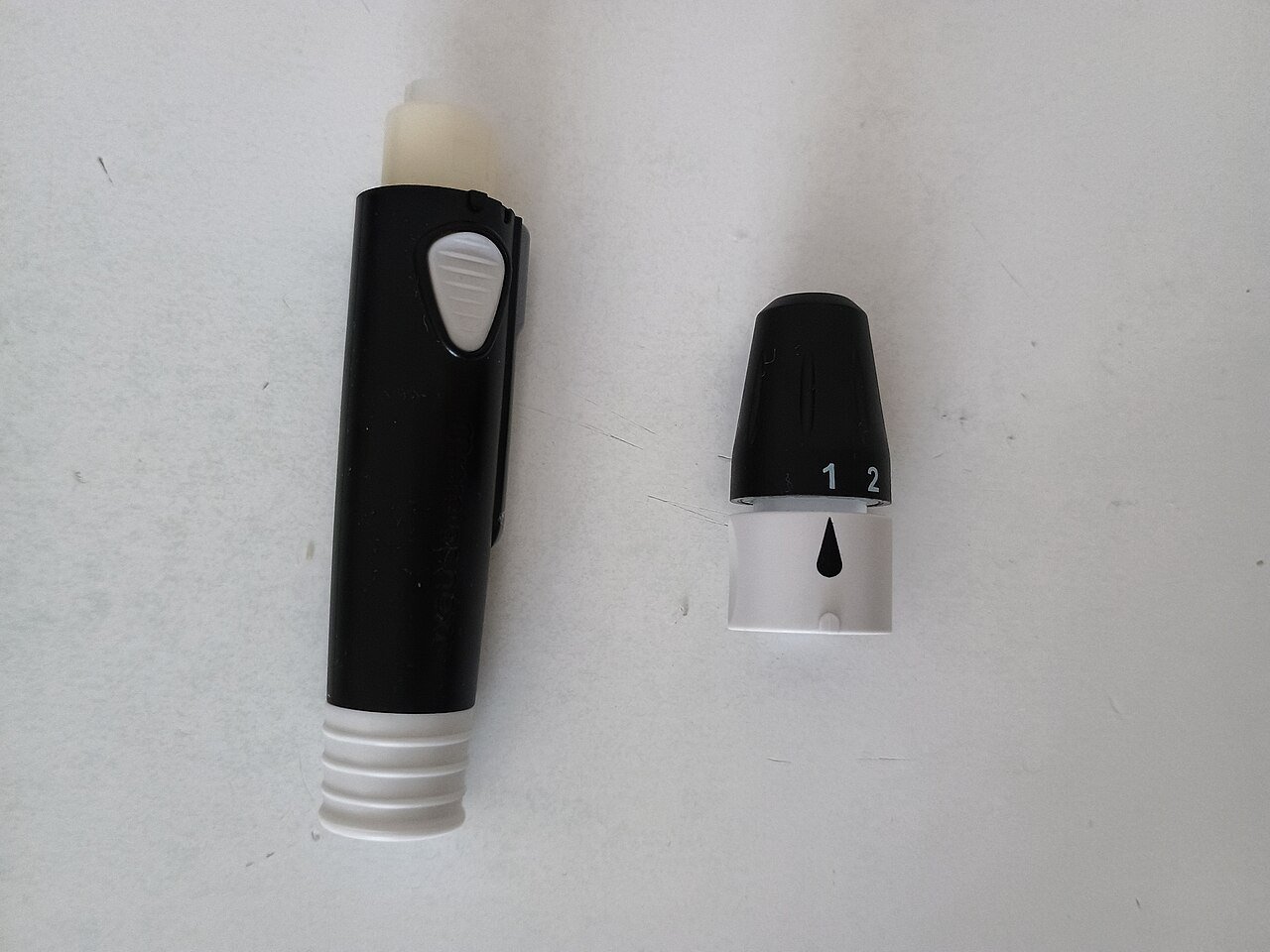
Some people with diabetes check their blood sugar at home with a small finger-prick test and a glucose meter. Your GP or practice nurse will explain whether this is needed for you, how often to test, and what your target range is. Keep a simple record of your readings, as it helps your care team spot patterns and adjust your plan.
Support and Services in Grantham
Your GP practice is the centre of your diabetes care. Most practices run an annual diabetes review, which usually includes a blood test, a blood pressure check, a weight check and a foot check. This review is the time to talk about anything that is worrying you, from low mood to difficulty with your medicines.
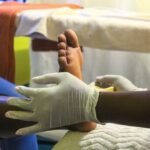
Foot care deserves special attention. Diabetes can reduce feeling in the feet and slow healing, so small problems can become serious if they are missed. Check your feet every day for cuts, blisters or redness, wear comfortable well-fitting shoes, and see your GP or a foot care professional promptly if you notice anything wrong.
Eye screening is another important regular check. Diabetes can affect the retina at the back of the eye, often without any symptoms at first, so screening can catch problems early when they are easiest to treat. If you are invited for diabetic eye screening, it is worth attending.
Structured education courses are also available. These group courses explain diabetes in plain language and help you build the confidence to manage it day to day. Ask your GP practice or diabetes nurse what is available locally, and check the provider’s own website for current details before you go.
When to Seek Help
Contact your GP or diabetes team promptly if your blood sugar readings are often very high or very low, if you feel unwell, or if you develop a foot wound that is not healing. Feeling very thirsty, passing urine much more often than usual, or feeling unusually drowsy can be signs that your blood sugar is too high and needs attention.
Very low blood sugar, known as a hypo, can happen if you take insulin or certain tablets. It can cause shaking, sweating, confusion and irritability. If this happens, follow the advice your care team has given you, and let them know so your treatment can be reviewed.
Diabetes can also affect mood. Living with a long-term condition, and thinking about food and numbers every day, can be tiring. Low mood is common and it is not a personal failing. If you feel low or anxious, mention it at your next review, or speak to your GP.
Diabetes is a condition you manage every day, but it does not have to define your life. With regular checks, steady habits and the support available in Grantham, most people keep it well under control and get on with the things they enjoy.
Featured image: “Blood glucose meter” by RoyZuoMedia, Wikimedia Commons (CC BY-SA 4.0).