







Asthma is one of the most common long-term conditions in the UK, and it affects people of all ages in Grantham, from young children to older adults. For most people it can be managed well with the right inhalers, a little knowledge about triggers, and regular check-ins with a GP or asthma nurse. This guide explains what asthma is, how inhalers work, what can set symptoms off, and where to find help locally.
What Is Asthma?
Asthma is a condition that affects the airways, the small tubes that carry air in and out of the lungs. In people with asthma, these airways become inflamed and sensitive. When they react to a trigger, the muscles around them tighten, the lining swells, and sticky mucus can build up, narrowing the airways and making it harder to breathe.
The most common symptoms are wheezing, coughing, shortness of breath, and a tight feeling in the chest. Symptoms often come and go, and can be worse at night or during exercise, in cold weather, or when you have a cold.
Asthma is usually diagnosed by a GP, who will ask about symptoms and may arrange simple breathing tests. If you think you or your child might have asthma, book an appointment with your GP practice rather than trying to self-diagnose.
Common Triggers in Everyday Life
Triggers vary from person to person, and knowing your own triggers is one of the most useful steps in managing asthma. Common ones include colds and flu, cold air, pollen, dust mites, pet fur, mould, smoke, strong scents, and air pollution. Exercise can also trigger symptoms, especially in cold or dry air.
It is not usually possible to avoid every trigger. Instead, the aim is to reduce exposure where you can and keep your asthma well controlled so triggers cause less trouble: keep the home well ventilated, wash bedding regularly, and avoid smoking indoors.
Winter deserves special attention in Grantham. Cold air is a well-known trigger, so wearing a scarf loosely over the nose and mouth when outside can warm the air before it reaches the lungs. Colds and flu are also more common in winter, and respiratory infections are a leading cause of asthma flare-ups.
Inhalers: Relievers, Preventers and Technique
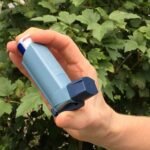
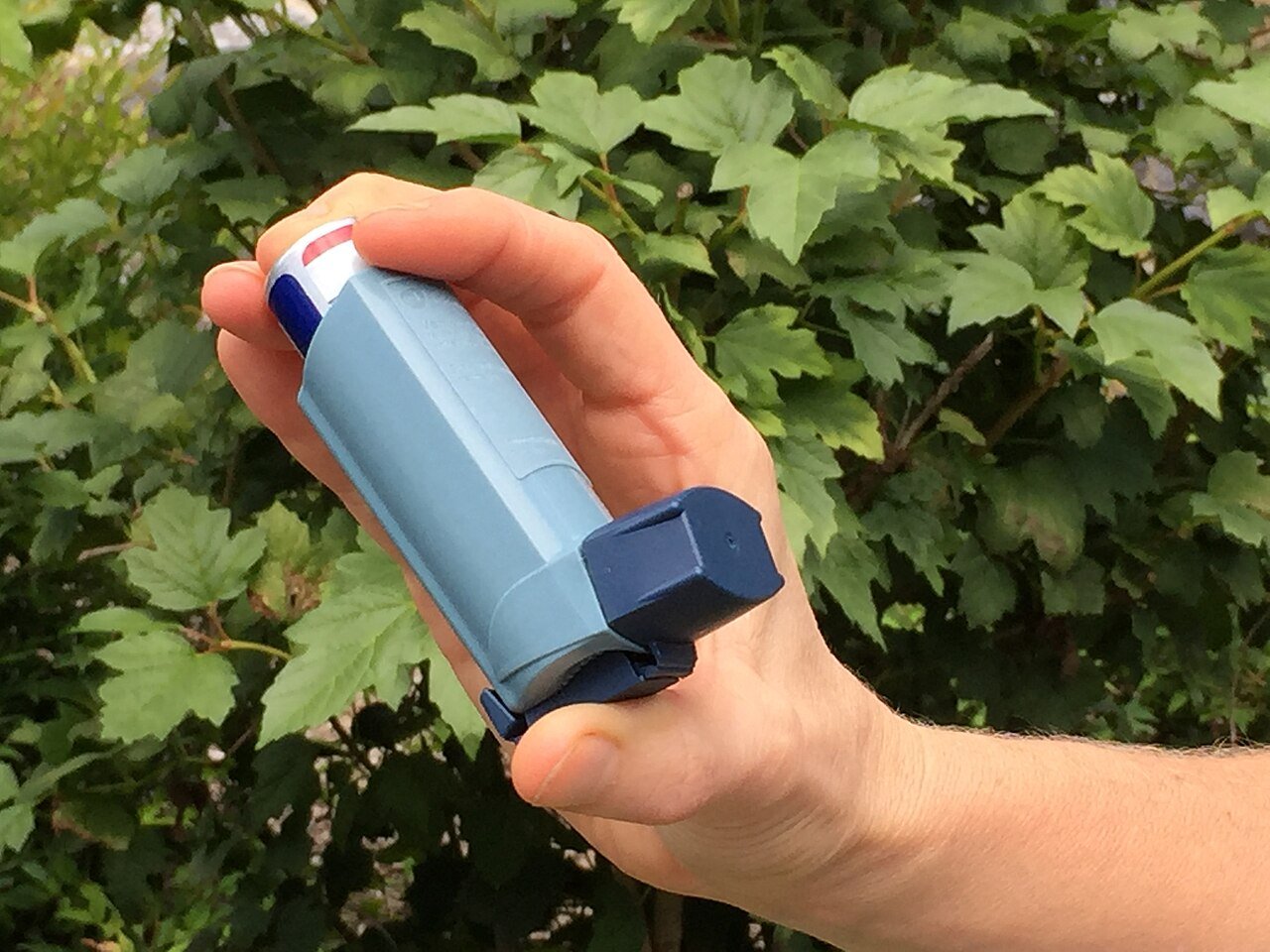
Most people with asthma use inhalers, and there are two main types. A reliever inhaler, usually blue, is used when symptoms appear and works quickly to relax the muscles around the airways. A preventer inhaler, often brown, red or purple, is taken every day, even when you feel well, to reduce inflammation over time.
Many people also have a written asthma action plan from their GP or asthma nurse. It explains which inhalers to use, when to step treatment up, and what to do if symptoms get worse. If you do not have one, ask for one at your next asthma review, and share a copy with your child’s school or nursery.
How you use an inhaler matters as much as which one you use. Common mistakes include breathing in too fast, not shaking the inhaler first, and forgetting to hold your breath briefly afterwards. A spacer device, a plastic chamber that attaches to the inhaler, can make it much easier to get the medicine into the lungs. Your GP, practice nurse or pharmacist can check your technique, so bring your inhalers to every asthma appointment.
When to Seek Help Urgently
Some situations need urgent help. Seek it if breathing becomes very difficult, the reliever inhaler is not helping, lips or face look blue, or you cannot speak in full sentences because of breathlessness. In these cases, call 999 or go to your nearest urgent care service. NHS 111 can also advise when you are unsure how serious symptoms are.
It is also important to book a GP appointment soon if you find yourself using your reliever inhaler more than usual, waking at night with symptoms, or needing it several times a week. These are signs that asthma is not as well controlled as it could be, and your treatment plan may need adjusting.
Getting Support in Grantham
Your GP practice is the first port of call for asthma care in Grantham, from diagnosis and inhaler prescriptions to annual reviews. Practice nurses often run asthma clinics and can spend extra time on inhaler technique. Your local pharmacist can also check your inhaler technique and answer questions about medicines. Check the pharmacy’s own website for current opening times and services.
For reliable information beyond your appointments, the charity Asthma + Lung UK offers guidance on living with asthma, and the NHS website has clear pages on symptoms, inhalers and action plans. Neither replaces advice from your own GP or nurse, who know your individual history.
Children with asthma are usually looked after jointly by their GP and their school. Let the school know about the diagnosis, provide a spare reliever inhaler if asked, and make sure staff have a copy of the action plan. Most children with well-controlled asthma can take part in sport and PE; talk to your GP or nurse if exercise regularly brings on symptoms.
Living with asthma takes a little planning, but with the right inhalers, a written plan, and regular reviews, most people in Grantham can keep their symptoms under control and get on with everyday life.
Featured image: an asthma inhaler, by NIAID (CC BY 2.0, via Wikimedia Commons).