





For many people in Grantham, the warmer months bring more than sunshine and longer evenings. Sneezing fits, itchy eyes and a blocked nose can turn a pleasant walk in the park into a miserable experience. If that sounds familiar, you may be living with hay fever or another allergy.
Hay fever is an allergic reaction to pollen, one of the most common allergies in the UK. It can affect anyone, at any age, and it often appears or gets worse in spring and summer. The good news is that most people can keep their symptoms under control with a bit of planning and the right treatment.
What Causes Hay Fever in Grantham?
Hay fever happens when your immune system overreacts to pollen, a fine powder released by plants that travels through the air. When it lands in your nose or eyes, your body treats it as a threat and releases chemicals that cause sneezing, itching and swelling.
Tree pollen is usually the main trigger in spring, grass pollen peaks in late spring and summer, and weed pollen can cause symptoms into early autumn. Grantham’s parks, gardens and farmland mean pollen is part of everyday life here, especially on warm, dry and windy days. Levels tend to be lower after rain, which washes pollen out of the air.
Dust mites, pet fur and mould are year-round triggers indoors. If your symptoms appear all year rather than just in spring and summer, a different trigger may be involved.
Common Symptoms of Hay Fever and Allergies
Hay fever is easy to mistake for a cold, but there are some tell-tale signs. A cold usually clears up within a week or two, while hay fever symptoms keep coming back whenever pollen levels are high.
Look out for sneezing, a runny or blocked nose, and itchy, red or watery eyes. Many people also get an itchy throat, mouth or ears, a cough, and pressure in the head. Tiredness is common too, partly because a blocked nose can disturb sleep. For people who already have asthma, hay fever can make breathing symptoms worse. Wheezing, shortness of breath, or swelling of the lips or tongue needs prompt medical advice.
Treatments That Can Help
Most hay fever can be managed with treatments available from a pharmacy in Grantham, and your pharmacist can help you choose the right one. Start treatment before your symptoms usually begin, as many treatments work better when they are already in your system.
Antihistamine tablets are the most widely used hay fever treatment. They help with sneezing, itching and a runny nose. Some types can make you feel drowsy, so ask your pharmacist about the best option, especially if you drive. Steroid nasal sprays are often the most effective treatment for a blocked or runny nose, but they need regular use and can take a week or two to give the full benefit. Eye drops can help with itchy, watery eyes.
Some people find a combination works best, such as a nasal spray plus an antihistamine. If over-the-counter treatments are not controlling your symptoms, your GP can discuss prescription medicines or, in some cases, a referral for allergy testing. Treatments can change, so check with your pharmacist or GP for current advice.
Everyday Tips to Reduce Pollen Exposure
Small changes to your daily routine can make a real difference by reducing how much pollen you breathe in, especially on high pollen days.
Keep windows closed when pollen levels are high, particularly in the morning and evening. If you have been outside, change your clothes and wash your face and hands when you come home, and try not to dry laundry outdoors on high pollen days. Showering before bed helps remove pollen that has collected during the day, so it does not end up on your pillow.
Wearing wraparound sunglasses outdoors can help keep pollen out of your eyes, and a thin layer of petroleum jelly just inside the nostrils can trap some pollen. Check the daily pollen forecast before planning outdoor activities. On very high pollen days, exercise indoors or go out later in the day, when levels often fall. Avoid mowing the lawn or sitting on freshly cut grass if it triggers your symptoms.
When to See Your GP
Most hay fever can be managed with pharmacy treatments and the tips above, but see your GP if your symptoms are severe or not improving, if treatments you have tried are not working, or if hay fever is affecting your sleep, work or daily life.
It is also worth getting advice if you are pregnant or breastfeeding, if your child has persistent symptoms, or if you are unsure what is causing them. Your GP can review your treatment and refer you for further help if needed. If you develop wheezing or difficulty breathing, or you have an allergic reaction that comes on suddenly, seek urgent medical advice or call NHS 111.
Hay fever can be frustrating, but it does not have to rule your summer. With the right treatment and a few simple habits, most people in Grantham can enjoy the warmer months with fewer symptoms.
Related Guides
- Asthma in Grantham: Triggers, Inhalers and Local Support
- Skin Care in Grantham: Dermatologists, Skin Checks and Keeping Your Skin Healthy
- More Medical Services guides for Grantham
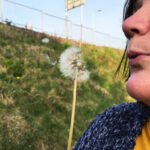
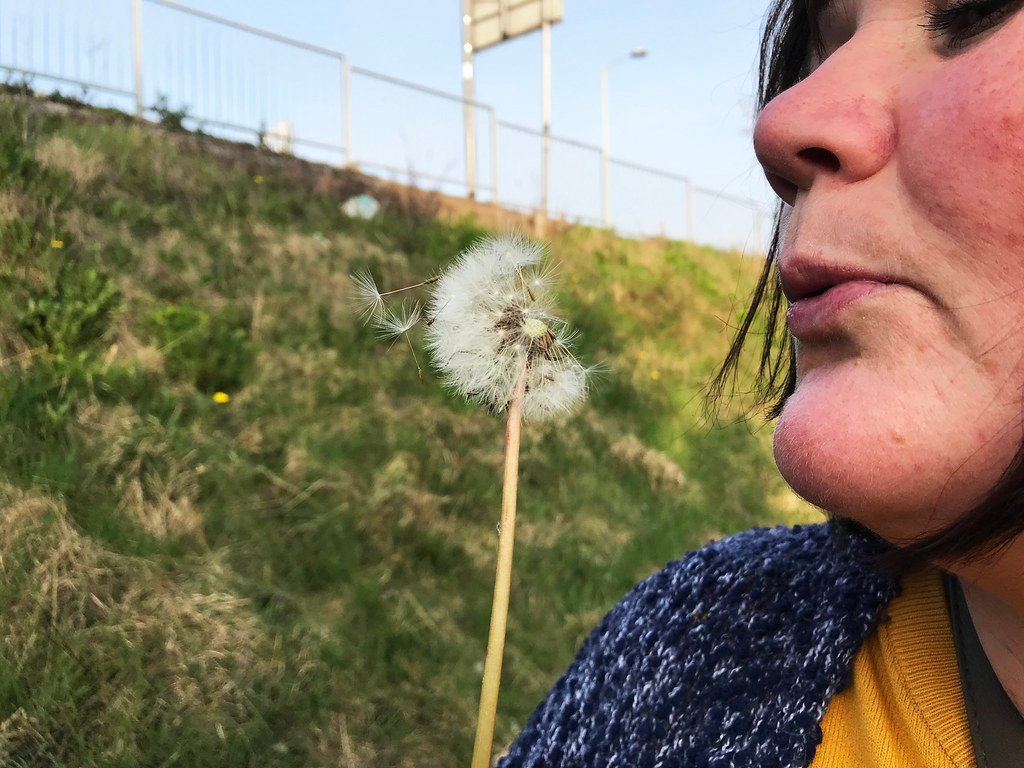
Featured image: a woman blowing a dandelion. Photo by Chemist 4 U, licensed under CC BY 2.0, via Flickr.