



Swimming is one of the easiest ways to stay active in Grantham. It is gentle on the joints, works the whole body, and suits almost every age and fitness level, from complete beginners to regular lane swimmers. Whether you want to learn properly for the first time, get the kids confident in the water, or simply add a low-impact workout to your week, a local pool session is a great place to start.
This guide explains the types of sessions you will usually find at a pool, what swimming lessons typically involve, and what to check before you go, so your first visit is a smooth one.
Types of Pool Sessions
Most pools run several kinds of sessions, and picking the right one makes a big difference to how much you enjoy your swim:
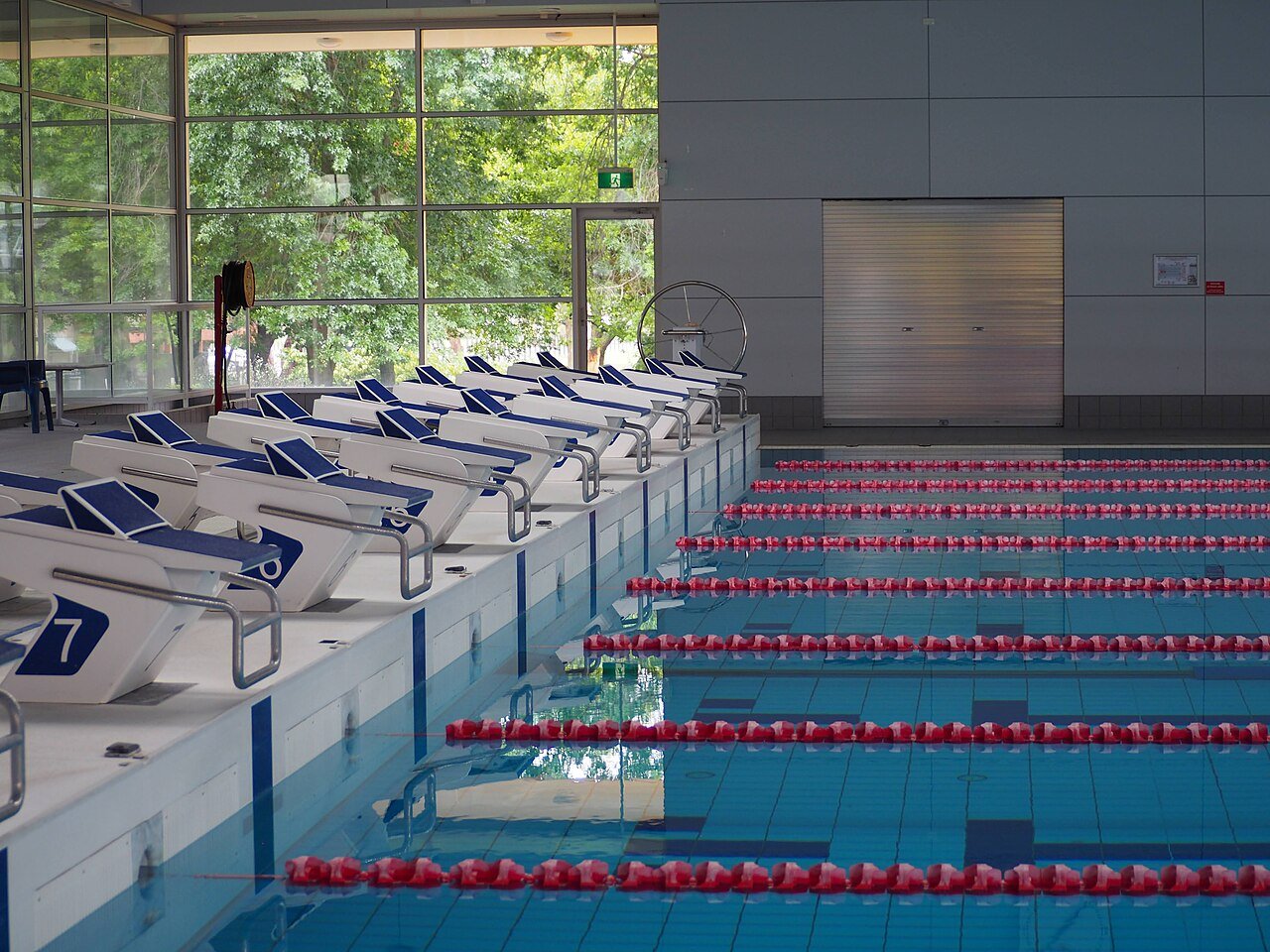
- Lane swimming: the pool is divided into lanes, usually by speed. Slow, medium and fast lanes let everyone swim at their own pace without getting in each other’s way. This is the best option if you want a proper workout.
- Public and family sessions: open swimming where families and casual swimmers share the pool. These are ideal if you are swimming with children or just want a relaxed splash rather than a structured workout.
- Aqua classes: instructor-led sessions in the water, such as aqua aerobics. These are popular with people who want exercise that is easy on knees, hips and backs, and they suit a wide range of abilities.
- Lessons: structured teaching sessions for children and adults, usually in small groups and booked as a course or term.
Session names and timetables vary from pool to pool and change through the year, so always check the current timetable on the provider’s own website before you travel.
Swimming Lessons: What to Expect
Lessons are the fastest way to build confidence, and it is never too late to start. Children’s lessons usually work through stages, from getting comfortable in the water and floating, through basic strokes, to swimming longer distances with good technique. Adult lessons follow the same idea but move at a pace that suits grown-up beginners, many of whom are nervous about their first lesson.
A good lesson group is small enough that the teacher can watch everyone, and the water is usually warm and shallow at the teaching end. If you are choosing lessons for a child, ask about group sizes, how progress is tracked, and what happens if you miss a week. For adults, ask whether there is a dedicated beginner group, so you are not thrown in with confident swimmers.
Consistency matters more than speed. One session a week, kept up over a few months, will take most beginners from nervous to comfortable.
Family Swimming: Making It Work
Family sessions are a brilliant way to get children used to the water, but a little planning helps. Pack swimwear, towels, goggles for anyone who likes them, and a swim nappy for babies and toddlers. Young children need close adult supervision at all times, and pools set their own rules on how many children each adult can supervise, so check those rules before you go.
Quieter times, often on weekday mornings or during school hours, are usually calmer for first visits with small children. Weekend and school-holiday sessions are busier and livelier, which some children love and others find overwhelming.
What to Check Before You Go
Before your first visit, it is worth confirming a few practical details:
- The current timetable and whether sessions need booking in advance
- Admission prices and whether family or concession rates apply
- Changing facilities, lockers and whether you need a coin or padlock
- Any rules on swim hats, goggles or poolside footwear
- Whether the pool runs dedicated quiet, accessible or women-only sessions
Prices, timetables and rules change from time to time, so the provider’s own website or reception is always the most reliable source. If you have a health condition, an injury or a disability, a quick call ahead lets staff tell you which sessions and facilities will suit you best.
Swimming as Part of a Healthy Routine
Swimming pairs well with other exercise. Many people combine a weekly swim with gym sessions or classes, because the water gives joints a rest while still building strength and stamina. If you are building a new routine, start with one or two shorter sessions a week and build up gradually rather than trying to swim for an hour on day one.
Whatever your starting point, the hardest part is usually the first visit. Once you know the layout, the timetable and the session that suits you, swimming quickly becomes one of the easiest healthy habits to keep.
Related Guides
If you are building a fitness routine in Grantham, you may also find these guides useful:
- Best Gyms in Grantham Compared: Prices, Classes and Facilities
- Fitness Classes in Grantham: HIIT, Yoga, Spin, Pump and More
- More Fitness & Gyms guides from Grantham Wellbeing
Featured image: Wikimedia Commons.