







Back pain, neck stiffness, headaches that start in the neck — these are the classic reasons people book a chiropractor. But what does chiropractic actually involve, does it work, and how do you find a good one in Grantham? An honest guide.
What Chiropractors Do
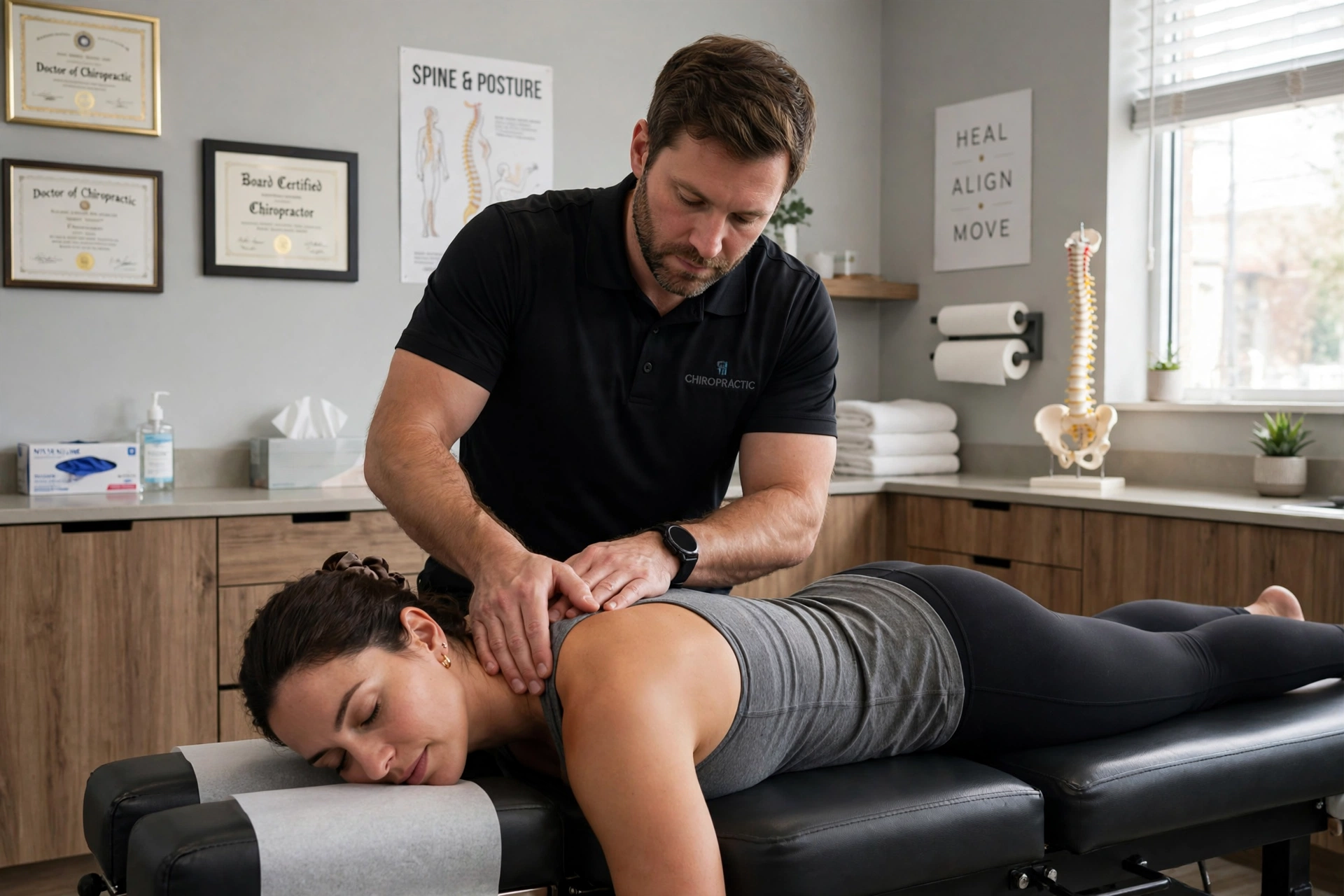
Chiropractors focus on the musculoskeletal system, particularly the spine. The signature treatment is spinal manipulation — the quick, controlled thrust to a joint that often produces an audible “crack” (that’s gas bubbles in the joint fluid, not bones grinding). Treatment usually also includes mobilisation, soft tissue work, advice on posture and exercise, and sometimes lifestyle guidance.
A first appointment (45–60 minutes) covers your history, examination, and usually first treatment. Follow-ups are shorter (15–30 minutes).
What Does the Evidence Say?
Honesty matters here. The evidence base for chiropractic is mixed and condition-dependent:
- Lower back pain: moderate evidence that spinal manipulation helps acute lower back pain, roughly comparable to other recommended treatments. NICE (the National Institute for Health and Care Excellence) includes manual therapy — which covers spinal manipulation — as an option for lower back pain and sciatica, as part of a package including exercise.
- Neck pain and some headaches: some evidence of benefit for certain types.
- Everything else (colic, asthma, digestive issues, “wellness adjustments” for healthy spines): no credible evidence. Be sceptical of any chiropractor claiming to treat non-musculoskeletal conditions.
The key point from the guidelines: manipulation works best combined with exercise and staying active — not as a passive, indefinite series of “adjustments.”
Chiropractic in Grantham
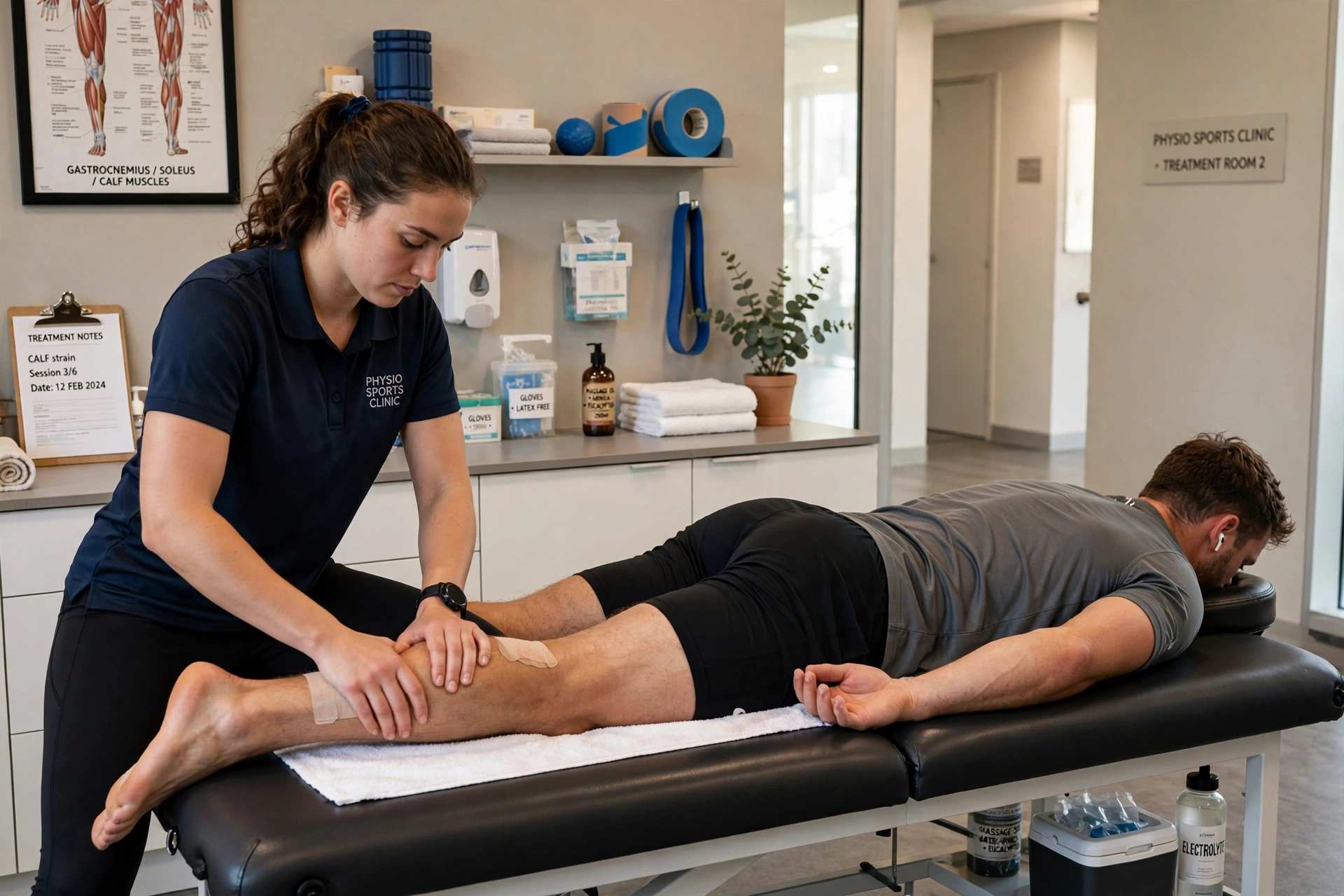
Chiropractic techniques are listed by Grantham physio clinics, and independent chiropractors practise in the town. When choosing:
- Check GCC registration. All UK chiropractors must be registered with the General Chiropractic Council — verify at gcc-uk.org. It’s illegal to call yourself a chiropractor without it.
- Ask about the plan. You should get a diagnosis, a treatment plan with a defined endpoint, and exercises to do yourself. Be wary of anyone prescribing 30+ sessions upfront or insisting on indefinite “maintenance adjustments” without clear goals.
- Discuss evidence honestly. A good chiropractor will tell you what the treatment can and can’t do for your specific problem.
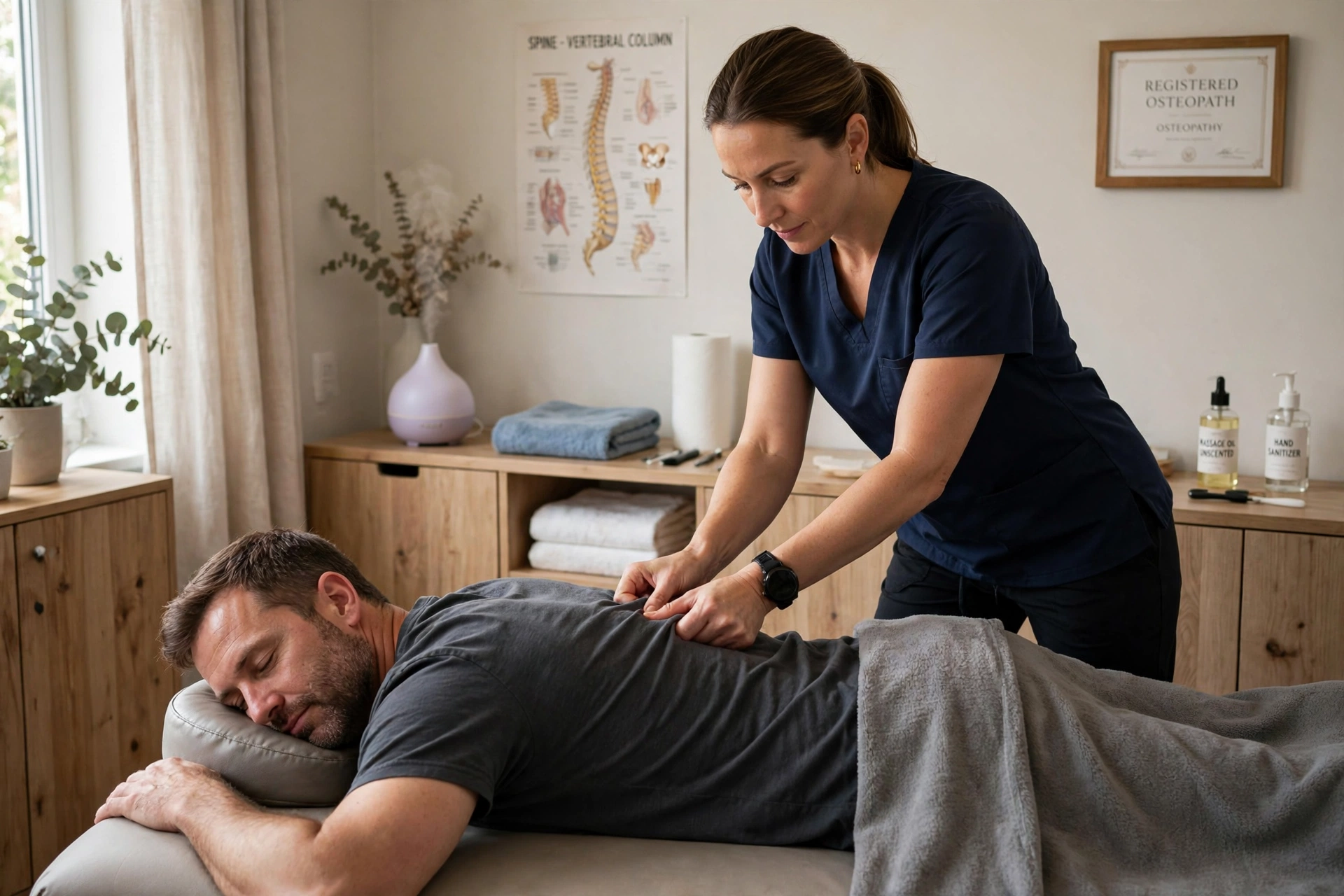
- Consider alternatives. For back pain, physiotherapy and osteopathy have similar evidence bases — the practitioner’s skill matters more than the professional label.
Costs
- Initial consultation: £40–£70
- Follow-up sessions: £30–£50
- Treatment plans are sometimes discounted in blocks
Chiropractic isn’t available on the NHS except in very limited circumstances, so expect to pay privately. Some health insurance policies cover it — check yours.
Safety
Spinal manipulation is generally safe for lower back pain when done by a registered professional. Neck manipulation carries a very small risk of serious complications (including stroke from vertebral artery dissection — estimated at roughly 1 in several hundred thousand to a few million treatments). A responsible chiropractor screens for risk factors, explains the risks, and gets your informed consent. If you have osteoporosis, inflammatory arthritis, are on blood thinners, or have had spinal surgery, discuss this carefully first.
FAQs
How much is a chiropractor in Grantham? £40–£70 for the first appointment; £30–£50 for follow-ups.
How many sessions will I need? For straightforward back pain: often 4–8 sessions. If there’s no improvement after 4–6, a good chiropractor will reassess or refer you on.
Is the “crack” necessary? No — it’s a side effect of the technique, not the treatment itself. Mobilisation without the crack can be equally effective, and a good chiropractor won’t insist on manipulation if you’re uncomfortable with it.
Disclaimer: This article is for information only and is not medical advice. For back or neck pain, consult a qualified professional (GCC-registered chiropractor, HCPC-registered physiotherapist, or your GP). If you have severe symptoms — loss of bladder/bowel control, numbness in the saddle area, or major trauma — seek urgent medical care.