Counselling in Grantham: How to Find the Right Therapist
Deciding to try counselling takes courage. Finding the right counsellor in Grantham takes a bit of know-how. This guide covers the types of therapy available, what it costs locally, how to check a therapist is properly qualified, and where to turn if money is tight.
Counsellors and Therapists in Grantham
Grantham has a solid network of private practitioners. Examples include Mellow Mind Therapy (around £55/hour), and Nadine Geraghty, a BACP-registered counsellor with 16 years in private practice. Relate also operates in the Grantham area, specialising in relationship counselling. Many therapists now offer a choice of in-person, phone or video sessions.
For free support, South Lincolnshire Mind (based at Westgate House) and the BHive Wellbeing Hub provide community mental health services, and NHS Talking Therapies (formerly IAPT) offers free CBT and counselling via GP referral or self-referral.
Types of Therapy: A Quick Guide
- Person-centred counselling: the counsellor listens without directing — you set the agenda. Good for: working through feelings at your own pace.
- CBT (Cognitive Behavioural Therapy): structured, practical, focused on changing unhelpful thought and behaviour patterns. Good for: anxiety, depression, phobias, OCD. The main therapy offered by NHS Talking Therapies.
- Psychodynamic therapy: explores how past experiences shape present feelings. Longer-term and more in-depth.
- EMDR: specifically for trauma and PTSD.
- Couples/relationship counselling: Relate is the best-known provider.
There’s no universally “best” type — the evidence says the relationship with your therapist matters more than the method. If you don’t feel comfortable after 2–3 sessions, it’s okay to try someone else.
What Does Private Counselling Cost in Grantham?
- Standard: £40–£60 per hour (Mellow Mind Therapy lists £55/hr — typical for the area)
- Some therapists offer concessions for students, unemployed or low-income clients — always ask
- Couples counselling: £60–£90 per session
Weekly sessions are the norm; most people attend for 6–24 sessions depending on the issue.
How to Check a Therapist Is Qualified
This is important — “counsellor” isn’t a protected title in the UK, so anyone can use it. Look for:
- BACP (British Association for Counselling and Psychotherapy) or UKCP (UK Council for Psychotherapy) registration — check the online registers
- Proper training (diploma level or above in counselling/psychotherapy)
- Professional indemnity insurance
- Regular clinical supervision (all ethical therapists have this — ask)
Red flags: no verifiable qualifications, guarantees of a cure, pushing you to commit to huge blocks of sessions upfront, or blurring professional boundaries.
Free and Low-Cost Options
- NHS Talking Therapies: free CBT and counselling — self-refer online or via your GP. Waiting lists exist but it’s proper, evidence-based therapy at no cost.
- South Lincolnshire Mind: community support, groups and services at Westgate House.
- BHive Wellbeing Hub: local wellbeing support and activities.
- Samaritans: 116 123, free 24/7 — for anyone struggling, not just crisis moments.
- Training clinics: some organisations offer low-cost counselling with trainee therapists under supervision.
What to Expect
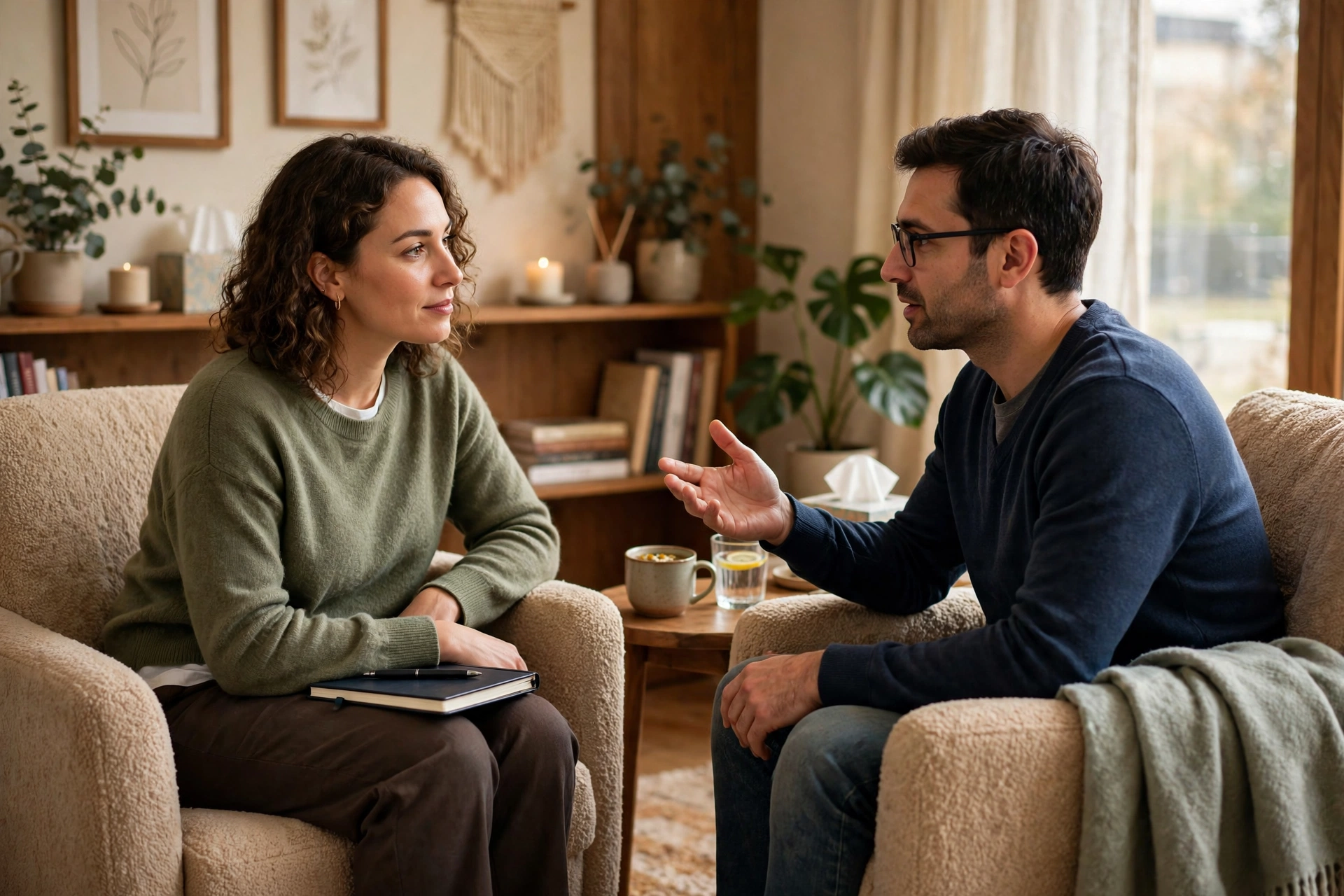
A first session is an assessment: your history, what brings you now, what you hope for. The therapist explains confidentiality (what’s said stays private, with standard safeguarding exceptions), fees and cancellation policies. There’s no obligation to continue — and a good therapist will tell you honestly if they’re not the right fit.
FAQs
How much is counselling in Grantham? £40–£60/hour privately (e.g. £55/hr at Mellow Mind Therapy). Free via NHS Talking Therapies or community organisations.
How do I know if it’s working? You should feel heard and respected from the start. Meaningful change usually takes several sessions — but if you feel uncomfortable or unheard after 3–4 sessions, discuss it or try someone else.
Is everything I say confidential? Yes, with standard exceptions: if the therapist believes you or someone else is at serious risk of harm, or for certain legal reasons. They’ll explain this at the start.
If you’re in crisis or having thoughts of harming yourself, call Samaritans free on 116 123 (24/7), text SHOUT to 85258, or call 999 in an emergency. This article is for information only and is not a substitute for professional support.