








Your heart works quietly in the background every minute of every day, and it is easy to take it for granted until something goes wrong. Heart disease is one of the most common health problems in the UK, yet many of the things that protect your heart are simple, everyday choices. This guide explains the basics of heart health in plain language: blood pressure, cholesterol, the habits that make a real difference, and where to find help in Grantham.
Why Heart Health Matters
The heart pumps blood around the body, carrying oxygen and nutrients to every organ. Over time, the blood vessels can narrow or stiffen, which makes the heart work harder and raises the risk of heart attacks and strokes. This process often develops slowly and without any symptoms, so many people do not know they have a problem until a routine check picks it up.
That is why regular checks matter. A blood pressure reading or a cholesterol test takes only a few minutes, but it can reveal a risk early, when simple changes or treatment can make the biggest difference.
Blood Pressure: What to Know
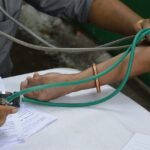
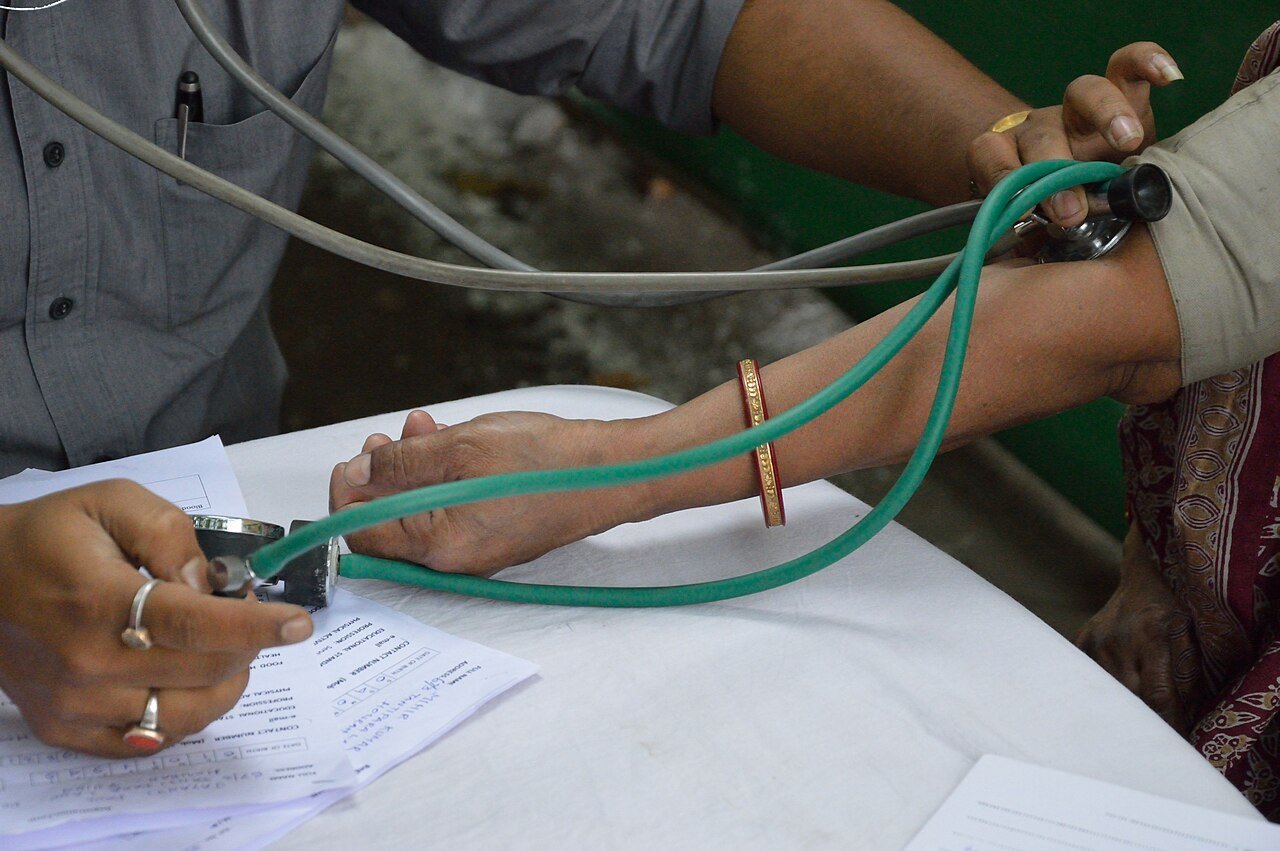
Blood pressure is the force of blood pushing against the walls of your arteries. It is written as two numbers, for example 120 over 80. The first number is the pressure when the heart beats, and the second is the pressure when the heart rests between beats. High blood pressure, also called hypertension, usually has no symptoms, which is why it is sometimes called a silent condition.
Many things can push blood pressure up over time, including too much salt in the diet, being overweight, drinking more alcohol than recommended, smoking, and not moving enough. Stress can raise it temporarily too. The good news is that blood pressure often responds well to everyday changes, and medicines are available when they are needed.
Some GP practices and pharmacies in Grantham offer blood pressure checks, and some people check their own at home with a monitor. If you do, take readings at the same time of day and keep a note of the results to show your GP or practice nurse.
Cholesterol: The Basics
Cholesterol is a fatty substance found in the blood. The body needs some of it, but too much can build up inside the artery walls and narrow them. There are different types: one type is often called bad cholesterol because it contributes to this build-up, while another type helps carry cholesterol away from the arteries.
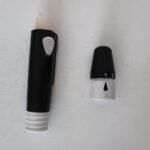
A cholesterol check is a simple blood test, usually done at your GP practice. Eating well, staying active and not smoking all help keep cholesterol at a healthier level. In some cases your GP may suggest a medicine called a statin, which lowers cholesterol and reduces the risk of heart problems.
Food plays a real part here. Meals rich in vegetables, fruit, wholegrains, beans and oily fish, with less saturated fat from processed meats, butter and fried food, support healthier cholesterol levels. You do not need a special diet. Small, steady swaps, such as choosing wholemeal bread or grilling instead of frying, add up over time.
Everyday Habits That Protect Your Heart
Regular movement is one of the best things you can do for your heart. Walking is free, needs no equipment and fits into most days. A brisk walk around Grantham counts just as much as a session at the gym, and swimming, cycling and dancing all help too. The aim is to move more and sit less, in whatever way you enjoy enough to keep doing.
Stopping smoking is the single most powerful step a smoker can take for their heart. Smoking damages the lining of the arteries and raises blood pressure, and the benefits of quitting begin within days. Free support is available through the NHS, including stop smoking services and advice from your GP or pharmacist. If you smoke, ask about the help available locally.
Alcohol also affects the heart. Drinking less, or having several alcohol-free days each week, helps blood pressure and weight.
Sleep and stress matter more than people often realise. Poor sleep and long-term stress can raise blood pressure and make healthy choices harder. A regular sleep routine and time outdoors help, and if stress or low mood is a regular problem, speak to your GP.
When to See Your GP
Book an appointment with your GP if you have chest pain, breathlessness that is new or getting worse, palpitations, or fainting. These symptoms always deserve a prompt check. If chest pain is severe or lasts more than a few minutes, or comes with sweating, nausea or pain spreading to the arm or jaw, call 999 straight away, as this can be a sign of a heart attack.
It is also worth seeing your GP if you have a family history of heart disease, or diabetes or high blood pressure, or if you simply have not had your blood pressure or cholesterol checked in a long time.
Looking after your heart does not require a dramatic change of lifestyle. It is the small things, repeated every day, that add up: a walk, a healthier meal, one less cigarette, a good night’s sleep. Start with one change that feels manageable, and build from there.
Featured image: “Blood Pressure Check” by Biswarup Ganguly, Wikimedia Commons (CC BY 3.0).