










If you look after a family member, partner, friend or neighbour who is ill, disabled or needs extra help as they get older, you are an unpaid carer, even if you would never use that word for yourself. Across the UK there are around 5.8 million unpaid carers, according to Carers UK, and many people in Grantham are caring for someone right now without realising that help and support are available to them too.
This guide explains what support exists for carers in Grantham, how to ask for it, and how to look after your own health while you look after someone else.
Are You a Carer?
You might be a carer if you regularly help someone with everyday tasks such as washing, dressing, cooking, shopping, managing medication or getting to appointments. Caring can start gradually, a parent who needs a little more help after a fall, or a partner whose health slowly changes, and it can take years before people recognise themselves as carers.
It does not matter how many hours you spend caring, or whether you live with the person you look after. If your life is shaped around someone else’s needs, the support in this guide is for you. Young carers under 18 have their own support too, and their school or GP can point them towards it.
Your Right to a Carer’s Assessment
Any carer over 18 can ask their local council for a free carer’s assessment. Under the Care Act 2014, councils must assess carers who appear to have needs for support. The assessment looks at how caring affects your health, your work, your free time and your relationships, and it can lead to practical help such as respite care, help around the home or training in how to lift and move someone safely.
You can ask for a carer’s assessment by contacting the adult social services team at your local council. It is separate from any assessment of the person you care for, but you can ask for both to be done at the same time. Despite this right, most carers have never had an assessment. Carers UK found that only 23 percent of carers had one in the last 12 months, so if you have not had one, you are far from alone.
It is also worth telling your GP that you are a carer. Your GP can record it on your medical notes, which can help you get support such as flu vaccinations and flexible appointments, and your GP can refer you to local carer services.
Respite and Taking a Break
Regular breaks are not a luxury. They are part of staying well enough to keep caring. Respite can mean a few hours a week when someone else takes over, a day centre place for the person you care for, or a short residential stay so you can rest or go on holiday.
Ask about respite in your carer’s assessment, and check what local carer groups and charities offer in Grantham. Some run sitting services, social groups or befriending schemes that give carers time off. If you are employed, you also have a legal right to unpaid carer’s leave, so speak to your employer about the time you need.
Looking After Your Own Health
Carers often put their own health last, and that can lead to exhaustion, back pain, poor sleep and low mood. Small habits help. Keep your own GP appointments, try to eat and sleep regularly, and keep moving. Even a short walk each day makes a difference.
Just as important is talking to someone. Carer support groups in Grantham and online bring together people in the same situation, and many carers say that meeting others who understand is the single most helpful thing they did. Free helplines run by Carers UK and Age UK can also give advice on benefits, your rights and local services.
If you are feeling overwhelmed, low or anxious, speak to your GP. Support is available, and asking for it is not letting anyone down. It is how you keep caring safely.
Where to Find More Help
Start with three steps: ask your local council for a carer’s assessment, tell your GP you are a carer, and contact Carers UK for free advice. Check the providers’ own websites for current details, opening times and contact information before you travel or call.
Caring for someone is one of the most generous things a person can do. In Grantham, you do not have to do it alone.
Related Guides
- Loneliness in Grantham: Support, Groups and Ways to Feel Connected
- Dementia in Grantham: Support, Services and Help for Families
- More Family Wellbeing guides
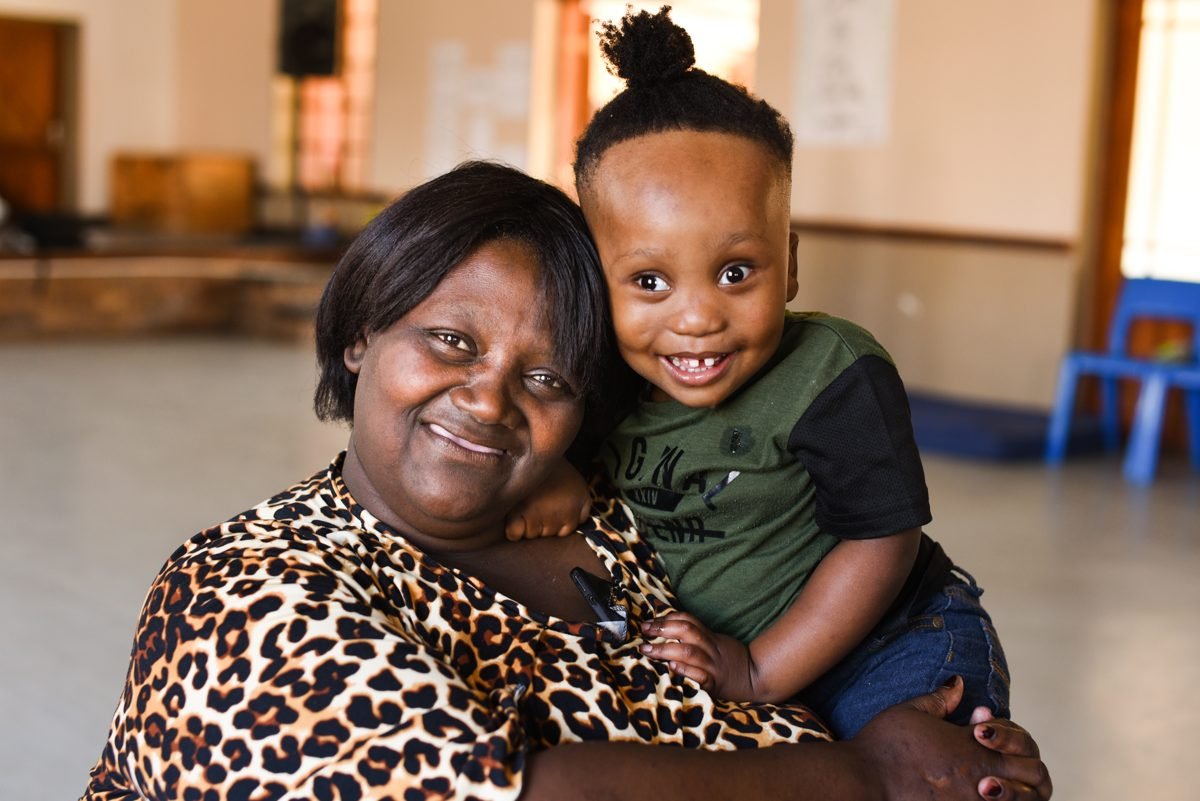
Featured image: “A woman and her grandson with a developmental disability” by Anika Meyer, via Wikimedia Commons, licensed under CC BY-SA 4.0.