Opticians in Grantham: Eye Tests, Glasses and Contact Lenses
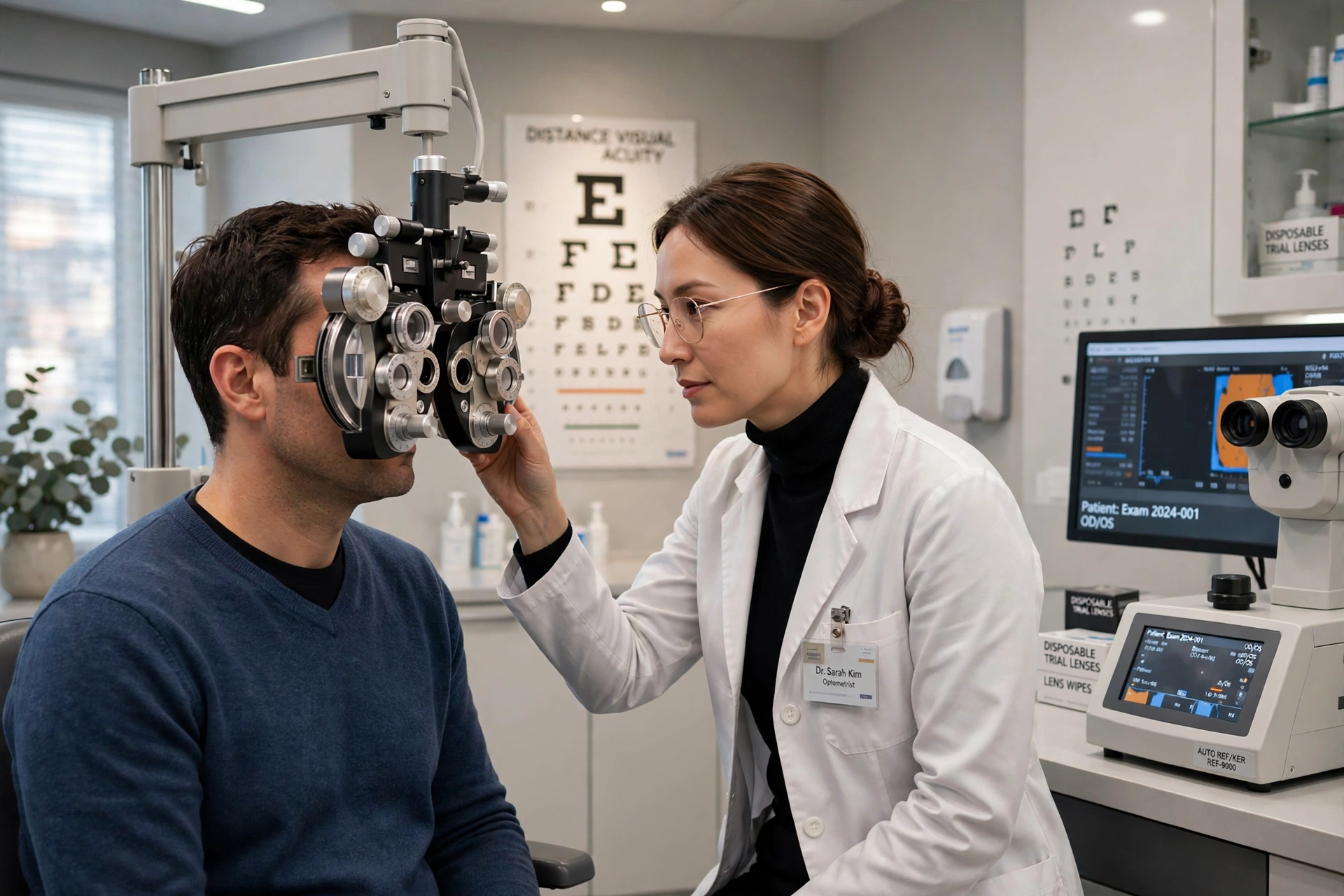
When was your last eye test? If you can’t remember, you’re overdue. The NHS recommends an eye test every two years (more often if your optician advises), yet millions of us skip them. Beyond updating your prescription, eye tests detect glaucoma, cataracts, macular degeneration and even signs of diabetes and high blood pressure — sometimes before any symptoms appear. Here’s where to go in Grantham.
Opticians in Grantham
Grantham’s high street is well served. The big names — Specsavers and Boots Opticians — both have town-centre branches offering eye tests, glasses and contact lenses. Alongside them are independent opticians, which many people prefer for longer appointments, continuity (seeing the same optometrist), and a wider or more unusual frame selection.
There’s no single “best” — chains offer convenience, competitive pricing and evening/weekend hours; independents often offer more personal service and specialist services. It’s worth trying both over the years to see which suits you.
Eye Tests: Cost and NHS Eligibility
A private eye test in Grantham typically costs £25–£35 at the chains, sometimes more at independents (which reflects longer appointment times). Many chains run regular promotions — free or discounted tests aren’t unusual, so check before booking.
You’re entitled to a free NHS eye test if you:
- Are under 16, or under 19 in full-time education
- Are 60 or over
- Have glaucoma, diabetes, or are at risk of glaucoma (as advised by an ophthalmologist)
- Receive Income Support, income-based JSA/ESA, Pension Credit Guarantee Credit, or Universal Credit (with conditions)
- Hold an HC2/HC3 certificate via the NHS Low Income Scheme
- Need complex lenses (you may get a voucher toward glasses too)
NHS optical vouchers help with glasses costs for children, those on qualifying benefits, and people with complex prescriptions.
Glasses: What to Expect to Pay
- Budget: from £25–£50 complete (chains’ entry ranges; basic single-vision lenses)
- Mid-range: £100–£200 (better frames, thinner lenses, coatings)
- Designer/varifocals: £200–£500+ (varifocal lenses add significantly)
Lens extras worth considering: anti-scratch coating (usually standard now), anti-reflective coating (good for night driving and screens), and thinner lenses for stronger prescriptions. Don’t be upsold extras you don’t need — ask what each one actually does.
Most opticians will adjust and repair glasses free of charge, even years later.
Contact Lenses
All Grantham’s main opticians fit contact lenses: daily disposables (simplest and healthiest for most people), fortnightly/monthly lenses, and toric lenses for astigmatism. You’ll need a contact lens fitting appointment (separate from the eye test) and aftercare checks. Never sleep in lenses not designed for it, and never buy lenses without a valid prescription and fitting — ill-fitting lenses can damage your eyes.
Children’s Eye Care
Children’s eye tests are free on the NHS, and kids should have their first test before starting school, even with no obvious problems — children rarely complain about poor vision because they don’t know what “normal” looks like. Signs to watch for: sitting very close to screens, squinting, headaches, or one eye turning.
When to See Someone Urgently
See an optician promptly (or call NHS 111) for: sudden vision loss or blurring, flashes and floaters with a shadow/curtain, eye pain, chemical splash, or a foreign body you can’t rinse out. For eye injuries or sudden severe symptoms, Grantham Hospital’s urgent treatment centre or A&E is appropriate.
FAQs
How much is an eye test in Grantham? £25–£35 privately; free if you qualify for NHS sight tests (over-60s, under-16s/19s in education, certain benefits and medical conditions).
How often should I have an eye test? Every 2 years as a minimum; your optometrist may advise annually depending on age, prescription and risk factors.
Can I get glasses on the NHS? Free sight tests for qualifying groups, plus optical vouchers toward glasses for children, those on qualifying benefits, and complex prescriptions.
Disclaimer: This article is for information only and is not medical advice. For eye problems, see a registered optometrist or your GP; in an emergency call NHS 111 or attend A&E.