









Your skin is your body’s largest organ, and it works hard every day, protecting you from cold, wind, sun and infection. Yet skin problems are easy to ignore until they become uncomfortable or worrying: a rash that will not clear, dry patches that keep coming back, or a mole that seems to have changed. This guide explains when to get skin help in Grantham, the most common skin conditions, and the simple daily habits that keep your skin healthy.
Dermatologists, GPs and Pharmacists: Who Does What?
A dermatologist is a doctor who specialises in skin, hair and nails. Most people in Grantham will first see their GP about a skin problem, and the GP can treat many common conditions directly or refer you to a dermatologist if the problem needs specialist care. Your GP can also refer you for a skin check if you are worried about a mole or a mark that has changed.
On the NHS, dermatology referrals usually go through your GP practice, and waiting times vary depending on how urgent the problem is. If a GP thinks a skin change could be serious, the referral is made urgently. Private dermatology clinics also operate in and around Grantham, where you can usually book an appointment directly. As with any local service, check the provider’s own website for current details about appointments and what they offer before you book.
Your local pharmacist is often the quickest source of advice for minor skin problems. Pharmacists can advise on moisturisers, sunscreens and over-the-counter creams for dry skin, mild eczema and spots, and they can tell you when a problem needs a GP instead. Many pharmacies in Grantham also offer a minor ailments service, so it is worth asking at the counter before booking a GP appointment for something straightforward.
Common Skin Problems and When to Get Help
Eczema is one of the most common skin conditions in the UK, and it often runs in families. It causes dry, itchy, red patches of skin, and flare-ups can be triggered by cold weather, soaps, stress or certain fabrics. Keeping the skin moisturised every day is the most important part of managing eczema, and your GP or pharmacist can advise on which creams suit your skin. If eczema is not settling with regular moisturising, or if the skin becomes weepy or infected, get it checked rather than trying stronger creams on your own.
Acne affects most teenagers at some point and many adults too. It is caused by blocked pores and is not a sign of poor hygiene, so harsh scrubbing usually makes it worse. Gentle cleansing and treatments from a pharmacy help many people, but acne that is painful, leaving scars or affecting your confidence is worth discussing with your GP.
Psoriasis causes red, scaly patches of skin, most often on the elbows, knees and scalp. It tends to come and go, and cold, dry weather can make it worse. Moisturisers help, and your GP can offer treatments that calm flare-ups. Fungal infections such as athlete’s foot and ringworm are also common and usually respond well to pharmacy treatments.
See your GP promptly if a mole changes size, shape or colour, if a new lump or sore does not heal within a few weeks, if a rash is spreading quickly or comes with a fever, or if a skin problem is making everyday life difficult. The NHS advises checking your skin regularly and getting any new or changing mark looked at early, as early checks make treatment much simpler.
Everyday Skin Care at Home
Good skin care does not need expensive products. Wash your face and body with lukewarm water and a gentle cleanser rather than hot water and harsh soaps, which strip away the skin’s natural oils. Pat your skin dry instead of rubbing it, and apply moisturiser while your skin is still slightly damp to help lock in moisture.
Sun protection matters all year round, not just on summer holidays. Use a sunscreen with a high sun protection factor on exposed skin, especially on your face, neck and hands, and reapply it if you are outside for a long time. Wearing a hat and seeking shade around the middle of the day gives extra protection, and this matters even on cloudy days, when ultraviolet light still reaches your skin.
Drink enough water through the day, eat a varied diet with plenty of fruit and vegetables, and get enough sleep, as all of these support healthy skin from the inside. Avoid smoking, which damages the skin and slows healing, and try not to pick or squeeze spots, which can cause scarring and infection. If you use make-up or skincare products, choose ones that suit your skin type and remove make-up before bed.
Skin Care and Staying Well in Grantham
Healthy skin is part of staying well overall, and looking after it is mostly about small, regular habits rather than big changes. A simple daily routine of gentle cleansing, moisturising and sun protection goes a long way, and getting prompt advice when something changes means small problems stay small.
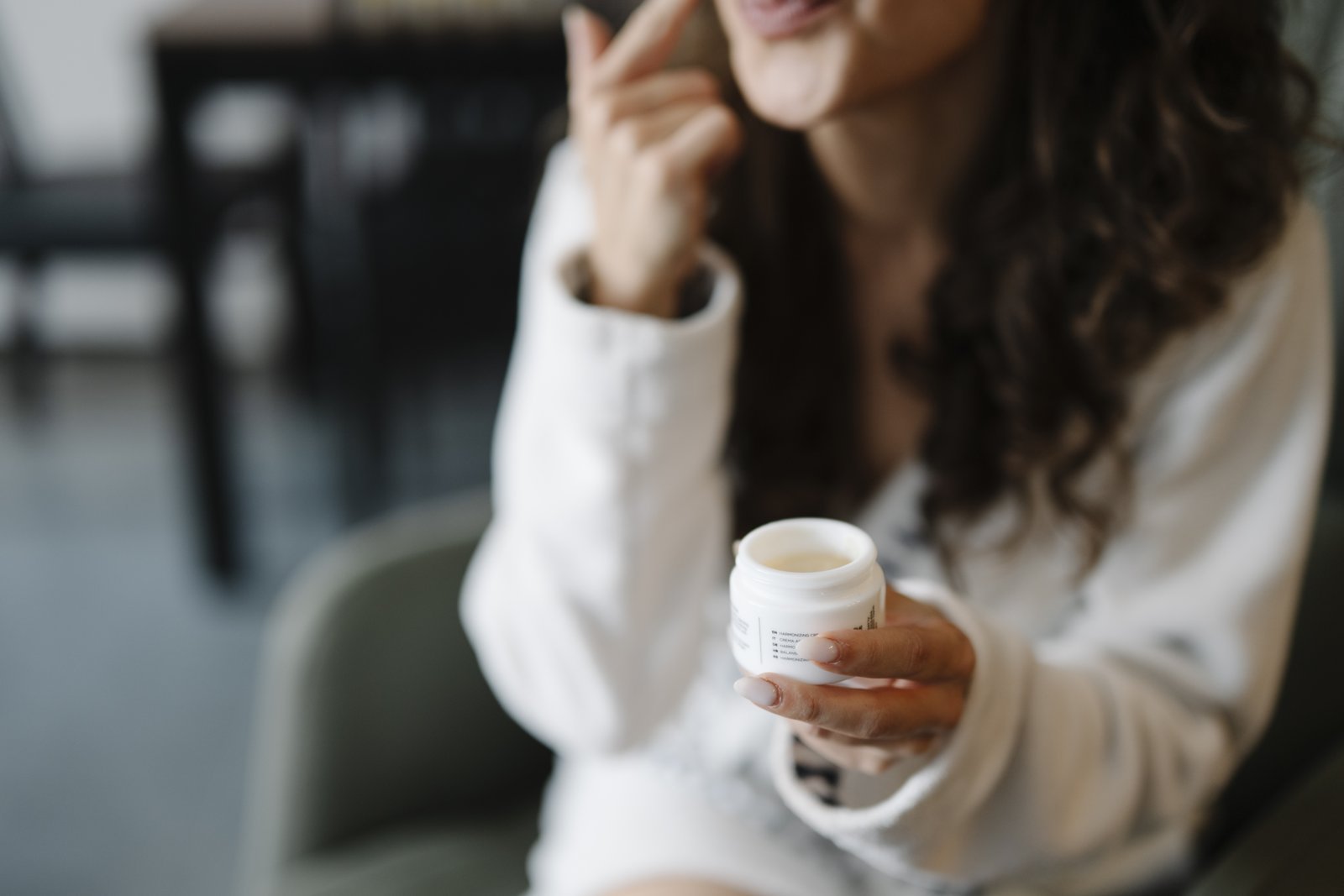
Featured image: “Woman applies skin cream at home closeup” by Shixart1985, Wikimedia Commons (CC BY 2.0).